

Introduction
Overview of Rapid Technological Evolution in the Market
Technology Driving Industry Change
- Continuous innovation in AI, quantum computing, XR, 5G, and automation is reshaping markets
- Tech advancements impact consumer behavior, business models, and global competitiveness
Importance of Understanding Tech Market Trends for Businesses, Investors, and Professionals
Staying Ahead in a Competitive Landscape
- Awareness of trends allows strategic planning, smart investments, and skill development
- Helps businesses adapt to evolving demands and emerging opportunities
- Enables investors to identify high-potential technologies and startups
Purpose: Highlighting Top Trends Shaping the Tech Industry
Insights for 2026 and Beyond
- This article explores the most influential tech market trends of 2026
- Focuses on innovations that will impact industries, drive economic growth, and shape daily life
Artificial Intelligence (AI) and Machine Learning
AI Adoption Across Industries
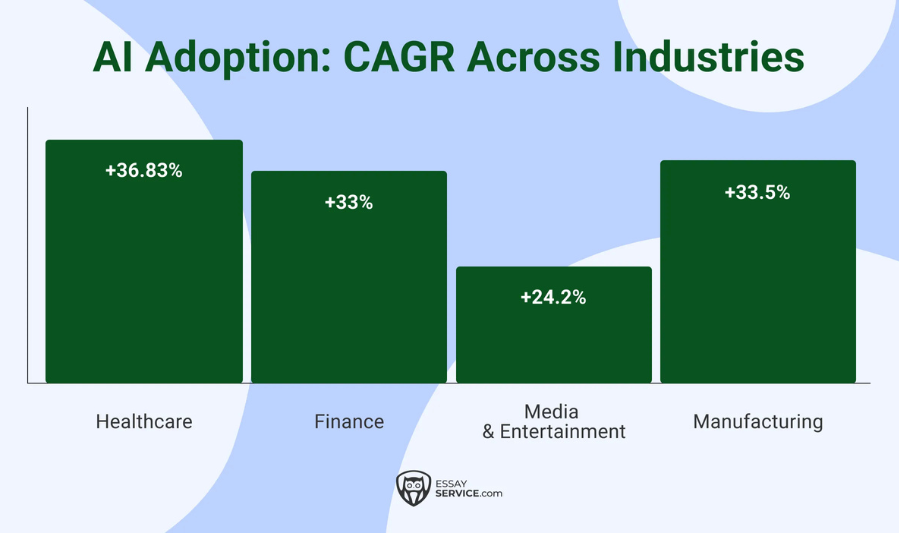
Driving Transformation
- AI is increasingly integrated in healthcare, finance, retail, manufacturing, and education
- Enables smarter decision-making, operational efficiency, and personalized experiences
Machine Learning for Predictive Analytics and Personalization
Leveraging Data for Insights
- Machine learning analyzes large datasets to forecast trends, consumer behavior, and operational needs
- Powers recommendation systems, dynamic pricing, and predictive maintenance
AI-Driven Automation in Business Operations
Streamlining Processes
- Automates repetitive tasks, customer service, and workflow management
- Increases productivity, reduces errors, and optimizes resource allocation
Ethical AI Frameworks and Governance
Ensuring Responsible Deployment
- Implementation of ethical standards, transparency, and accountability
- Addresses bias, privacy, and regulatory compliance for trustworthy AI solutions
Cloud Computing and Edge Computing
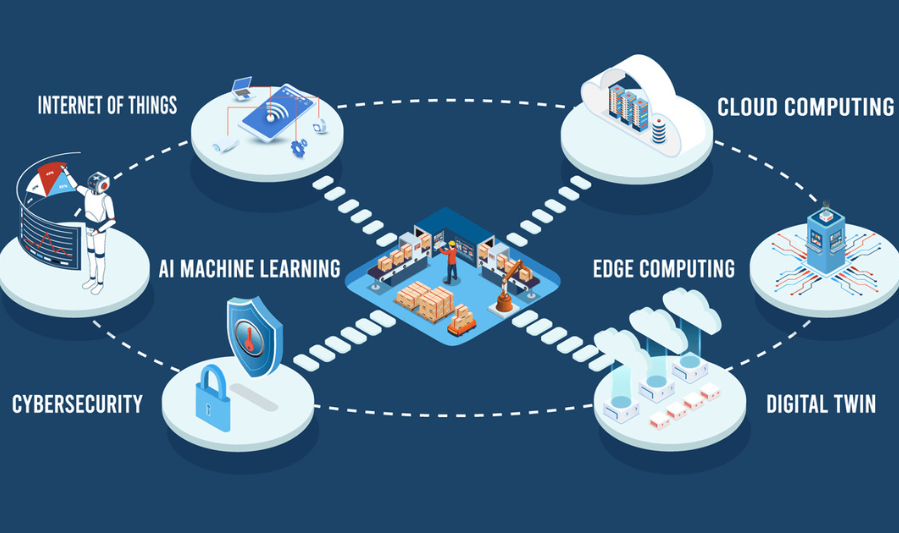
Growth of Cloud Services and Their Benefits
Scaling Businesses Efficiently
- Cloud computing enables on-demand access to computing resources, storage, and applications
- Benefits include cost savings, scalability, collaboration, and remote accessibility
- Key sectors adopting cloud: finance, healthcare, education, and e-commerce
Edge Computing for Reduced Latency and Real-Time Processing
Processing Data Closer to the Source
- Edge computing handles data near the device, reducing latency and improving response times
- Critical for IoT, autonomous vehicles, AR/VR, and real-time analytics
- Enhances performance, reliability, and data privacy
Hybrid Cloud Adoption and Enterprise Strategies
Combining On-Premises and Cloud Resources
- Hybrid cloud allows flexible deployment across private and public cloud environments
- Supports data-sensitive workloads while leveraging cloud scalability
- Popular strategies: multi-cloud architecture, cloud bursting, and disaster recovery planning
Cloud Security and Compliance Considerations
Protecting Data and Ensuring Trust
- Organizations focus on encryption, identity management, and threat detection
- Compliance with GDPR, HIPAA, and industry standards is essential
- Secure cloud practices ensure business continuity and customer trust
Blockchain and Decentralized Technologies
Blockchain Fundamentals and Applications
Understanding the Technology
- Blockchain is a distributed ledger that records transactions securely and transparently
- Enables peer-to-peer trust without intermediaries
- Foundational for cryptocurrencies, smart contracts, and decentralized apps
Use Cases: Finance, Supply Chain, and Digital Identity
Real-World Applications
- Finance: Cryptocurrencies, cross-border payments, fraud prevention
- Supply Chain: Tracking products, verifying authenticity, and improving logistics
- Digital Identity: Secure verification and privacy-focused identity management
Decentralized Finance (DeFi) and NFTs
Expanding Blockchain Ecosystems
- DeFi: Peer-to-peer financial services such as lending, borrowing, and trading
- NFTs: Digital ownership of art, collectibles, and intellectual property
- Smart contracts enable automated, self-executing agreements
Benefits: Security, Transparency, and Trust
Why Blockchain Matters
- Tamper-proof records ensure transaction integrity
- Enhances cybersecurity and reduces fraud risks
- Builds trust among participants without central authorities
You may also like to read these posts:
Trend Forecast: Fashion Trends 2026 You Need to Know
Top Latest Fashion Style Trends to Update Your Wardrobe
Luxury Living Lifestyle Secrets for a Premium Way of Life
How AI Is Shaping the Future in 2026: Key Headlines You Should Know
Challenges and Adoption Barriers
Overcoming Limitations
- Scalability issues and high energy consumption
- Regulatory uncertainty and legal compliance challenges
- User education and integration with existing systems
Faqs:
What are the top tech market trends today?
AI, cloud computing, blockchain, 5G, automation, cybersecurity, and sustainable technologies are leading the market.
How will 5G impact the tech market?
5G enables faster connectivity, low-latency applications, IoT expansion, smart cities, and real-time data processing.
Why is AI important for businesses?
AI enhances decision-making, automates processes, improves customer experiences, and drives operational efficiency.
How is blockchain transforming industries?
Blockchain provides transparency, security, and decentralized solutions for finance, supply chain, and digital identity management.
Why is sustainability important in the tech market?
Sustainable technology practices reduce environmental impact, optimize resource usage, comply with regulations, and meet consumer expectations.
Conclusion
The tech market trends highlight the innovations shaping industries, businesses, and daily life. From AI and cloud computing to blockchain, 5G, automation, and sustainable technologies, these trends offer opportunities for growth, efficiency, and competitive advantage. Staying informed, adaptable, and ready to embrace change is essential for businesses and professionals to thrive. By understanding and leveraging these trends, organizations can position themselves for success in a rapidly evolving technological landscape.