
Introduction
Importance of Following AI Software News in 2026
Artificial Intelligence software is evolving at an unprecedented pace in 2026. Staying updated on the latest developments is essential for businesses, professionals, and tech enthusiasts who want to leverage AI to remain competitive and innovative.
How AI Software Is Influencing Industries, Business Operations, and Everyday Life
AI software is no longer limited to experimental or niche applications—it is transforming industries, optimizing business operations, and enhancing daily life. From automated decision-making in enterprises to intelligent apps on consumer devices, AI software is shaping the way we work and live.
Overview of the Scope of AI Software Innovation
The AI software landscape in 2026 spans multiple domains, including:
- Enterprise applications: Automation, analytics, cybersecurity, and workflow optimization
- Consumer technology: Smart devices, AI assistants, and personalized experiences
- Healthcare and life sciences: Diagnostics, drug discovery, and telehealth solutions
- AI development platforms and tools: Software frameworks, APIs, and development environments
Understanding these trends helps individuals and organizations anticipate opportunities and adapt to the rapidly evolving AI software ecosystem.
Major AI Software Releases
New AI Platforms for Developers and Enterprises
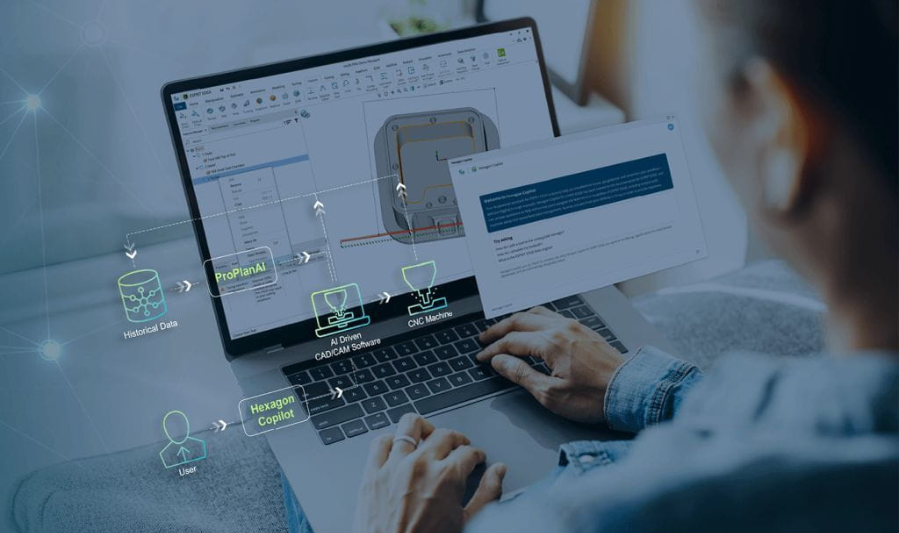
In 2026, new AI platforms are emerging to streamline development and deployment for both developers and enterprises.
Key features include:
- Integrated development environments for AI model training and testing
- APIs and SDKs for seamless integration into business applications
- Scalable cloud platforms supporting large-scale AI workloads
Generative AI Tools for Text, Images, Video, and Music
Generative AI software is revolutionizing content creation, enabling users to produce high-quality media with minimal effort.
Applications include:
- Automated marketing content, articles, and copywriting
- AI-generated visual art, videos, and animations
- Music composition and sound design powered by AI
AI-Powered Analytics and Automation Software
AI analytics and automation tools are enhancing data-driven decision-making and operational efficiency.
Capabilities include:
- Real-time predictive analytics for marketing, finance, and logistics
- Automated workflow management and process optimization
- AI-assisted insights and reporting for strategic planning
Productivity and Collaboration Software Integrated with AI
AI is transforming workplace tools by embedding intelligence into productivity and collaboration platforms.
Features include:
- Smart scheduling, task management, and reminders
- AI-assisted document creation, editing, and summarization
- Enhanced virtual collaboration with real-time AI suggestions and insights
Breakthrough AI Software Technologies
Large Language Model-Based Applications and Tools
Large Language Model (LLM) software is driving advanced natural language understanding and generation in 2026. These applications power chatbots, content creation, and automated communication systems.
Key capabilities include:
- Context-aware conversational AI for businesses and consumers
- Automated content generation for marketing, documentation, and media
- Real-time translation, summarization, and knowledge extraction
Multimodal AI Software Integrating Text, Image, Audio, and Video
Multimodal AI software combines multiple data types, enabling systems to understand and generate complex information across different media formats.
Applications include:
- AI tools that create or analyze videos, images, and audio alongside text
- Enhanced virtual assistants capable of interpreting diverse inputs
- Cross-media content creation and analysis for enterprises and creative industries
AI Chatbots and Virtual Assistants for Consumer and Business Use
AI chatbots and virtual assistants are becoming more intelligent, proactive, and context-aware, improving user interaction in both personal and professional settings.
Key uses include:
- Customer support and service automation
- Personal productivity assistants for scheduling and task management
- AI companions for education, coaching, and lifestyle guidance
Edge AI Software for Real-Time Processing and Low-Latency Applications
Edge AI software allows AI to run locally on devices, enabling real-time decision-making with minimal latency.
Benefits include:
- Instant processing for IoT, smart devices, and autonomous systems
- Reduced dependency on cloud infrastructure
- Enhanced privacy and security through local data processing
AI Software in Industry Applications
Healthcare: AI Diagnostic Tools, Patient Monitoring, and Research Software
AI software is revolutionizing healthcare by enhancing diagnostics, patient care, and research capabilities.
Key applications include:
- Automated analysis of medical images and lab results
- Predictive patient monitoring and early warning systems
- Research platforms for drug discovery and genomics
Finance: Predictive Analytics, Fraud Detection, and Investment Tools
In finance, AI software supports smarter decision-making and risk management.
Applications include:
- Predictive analytics for market trends and investment planning
- Fraud detection and transaction monitoring
- AI-driven financial advisory and portfolio optimization
Education: Adaptive Learning Platforms and AI Tutoring Systems
AI is transforming education by delivering personalized and adaptive learning experiences.
Key uses include:
- AI-powered tutoring and study support systems
- Adaptive learning platforms that adjust to student performance
- Intelligent assessment and feedback tools
Logistics & Supply Chain: Automation, Predictive Routing, and Optimization
AI software is improving logistics and supply chain efficiency by automating processes and optimizing operations.
Applications include:
- Predictive routing for delivery and transportation efficiency
- Inventory management and demand forecasting
- Workflow automation across manufacturing and distribution networks
Creative Industries: AI Software for Design, Music, Art, and Media Production
Creative sectors are leveraging AI software to enhance content creation and artistic workflows.
Examples include:
- AI-assisted graphic design, animation, and video production
- Music composition and sound generation
- Automated media editing and creative idea generation
AI Software and Cloud Infrastructure
Cloud-Based AI Platforms and SaaS Solutions
Cloud computing is powering the AI software revolution, enabling developers and businesses to deploy AI applications quickly and at scale.
Key features include:
- Platform-as-a-Service (PaaS) and Software-as-a-Service (SaaS) AI solutions
- Pre-built AI models and APIs for rapid integration
- Flexible cloud environments supporting large-scale AI workloads
AI Software Scalability, Accessibility, and Integration with Enterprise Systems
AI software in the cloud enhances scalability, accessibility, and seamless integration with existing enterprise systems.
Benefits include:
- Rapid scaling to accommodate growing data and user demand
- Accessible AI tools for developers, employees, and end-users
- Integration with ERP, CRM, and other enterprise applications for streamlined operations
Security and Compliance Updates in Cloud-Based AI Applications
Security and compliance are critical for cloud AI software, ensuring data protection and regulatory adherence.
Focus areas include:
- Encryption and secure data storage for sensitive information
- Compliance with industry standards and regional regulations
- Regular updates to address emerging security threats and vulnerabilities
AI Software Governance and Ethics
Ethical Frameworks and Responsible AI Software Development
Responsible AI software development requires adherence to ethical frameworks that guide design, deployment, and usage.
Key considerations include:
- Minimizing bias and ensuring fairness in AI algorithms
- Promoting socially beneficial outcomes through AI applications
- Implementing governance processes for continuous ethical oversight
Data Privacy and Compliance Regulations Affecting AI Software
AI software must comply with data privacy laws and industry regulations to protect users and organizations.
Key points include:
- Adhering to GDPR, CCPA, and other regional privacy standards
- Ensuring secure data collection, storage, and processing
- Maintaining compliance in cross-border AI software deployment
Transparency, Explainability, and Accountability in AI Deployments
Trustworthy AI software requires transparency, explainability, and accountability.
Focus areas include:
- Making AI decision-making processes understandable to users
- Enabling audits and verification of AI outputs
- Clear assignment of responsibility for AI-driven decisions
You may also like to read these posts:
Trend Forecast: Fashion Trends 2026 You Need to Know
Top Latest Fashion Style Trends to Update Your Wardrobe
Luxury Living Lifestyle Secrets for a Premium Way of Life
How AI Is Shaping the Future in 2026: Key Headlines You Should Know
Emerging Trends in AI Software
Open-Source AI Software and Community-Driven Innovations
Open-source AI software is driving collaboration and rapid innovation, allowing developers and organizations to build on shared models and tools.
Key benefits include:
- Access to cutting-edge AI models without high licensing costs
- Community-driven improvements and transparency
- Accelerated experimentation and research
Low-Code and No-Code AI Platforms for Wider Accessibility
Low-code and no-code AI platforms are making AI development accessible to non-technical users, democratizing AI adoption.
Applications include:
- Rapid prototyping of AI solutions without extensive coding knowledge
- Enabling small businesses to implement AI tools efficiently
- Streamlined workflow automation and data analysis
APIs and Plugins Enabling AI Integration into Existing Systems
APIs and plugins facilitate seamless integration of AI capabilities into enterprise and consumer systems.
Advantages include:
- Enhancing existing applications with AI-driven features
- Reducing development time and technical complexity
- Allowing customization and scalability of AI functionalities
Predictive Analytics, Decision-Support Software, and Automation Trends
AI software increasingly powers predictive analytics, decision-support systems, and automation, optimizing operations and strategic planning.
Key applications include:
- Forecasting trends and consumer behavior
- Automating repetitive business processes
- Providing actionable insights for data-driven decisions
Democratization of AI Software for Startups and Small Businesses
Emerging AI software trends are lowering barriers for startups and small businesses, enabling them to leverage AI technologies competitively.
Benefits include:
- Affordable, scalable AI tools for business growth
- Access to cloud-based AI platforms and SaaS solutions
- Opportunities to innovate without heavy infrastructure investment
Faqs:
What are the most important AI software updates in 2026?
Key updates include new AI platforms, generative AI tools, multimodal software, cloud-based solutions, and AI-powered analytics and automation applications.
How is AI software transforming industries?
AI software is enhancing healthcare diagnostics, financial analytics, logistics optimization, education, creative industries, and enterprise productivity through automation and predictive intelligence.
What are the latest trends in AI software?
Trends include open-source AI, low-code/no-code platforms, AI APIs and plugins, predictive analytics software, and democratization of AI tools for startups and small businesses.
What are the main risks associated with AI software?
Risks include algorithmic bias, data privacy and security vulnerabilities, software integration challenges, and over-reliance on automated systems.
How can businesses and individuals stay updated on AI software news?
By following AI news portals, tech blogs, developer forums, attending AI conferences, subscribing to newsletters, and monitoring releases from leading AI software companies.
Conclusion
AI software news in 2026 highlights a year of rapid innovation and transformation across industries and daily life. From generative AI tools and multimodal software to cloud-based platforms and enterprise solutions, AI software is reshaping how businesses operate and how individuals interact with technology. While challenges such as ethical deployment, data security, and software integration remain, staying informed and leveraging AI software responsibly enables organizations and individuals to harness its full potential. 2026 is not just about new software—it’s about meaningful technological advancements shaping the future.