
Introduction
Overview of the Global AI Industry in 2026
AI as a Core Driver of the Digital Economy
In 2026, the global artificial intelligence industry has become a central force in the digital economy. AI is no longer experimental—it is embedded across consumer technology, enterprise software, healthcare systems, financial services, manufacturing, and government operations. Large-scale deployment, rapid commercialization, and cross-industry adoption define the AI landscape.
Why AI Industry News Matters for Businesses, Investors, and Professionals
Strategic Value of Staying Informed
Following AI industry news is critical for informed decision-making:
- Businesses use AI insights to improve efficiency, innovation, and competitiveness
- Investors track AI developments to identify high-growth sectors and emerging leaders
- Professionals rely on AI trends to reskill, upskill, and stay relevant in the job market
Timely AI industry updates help stakeholders anticipate disruption, regulation changes, and new opportunities.
Key Forces Driving AI Innovation
Technology, Data, and Global Competition
Multiple forces are accelerating AI innovation worldwide:
- Advances in AI hardware, chips, and cloud infrastructure
- Rapid growth of data from digital platforms and connected devices
- Breakthroughs in machine learning, generative AI, and automation
- Strong enterprise adoption and government investment
- Global competition alongside cross-border collaboration
These drivers collectively shape the future direction of the AI industry in 2026 and beyond.
Evolution of the AI Industry
From Experimental AI to Mainstream Adoption
AI Moving Beyond Research Labs
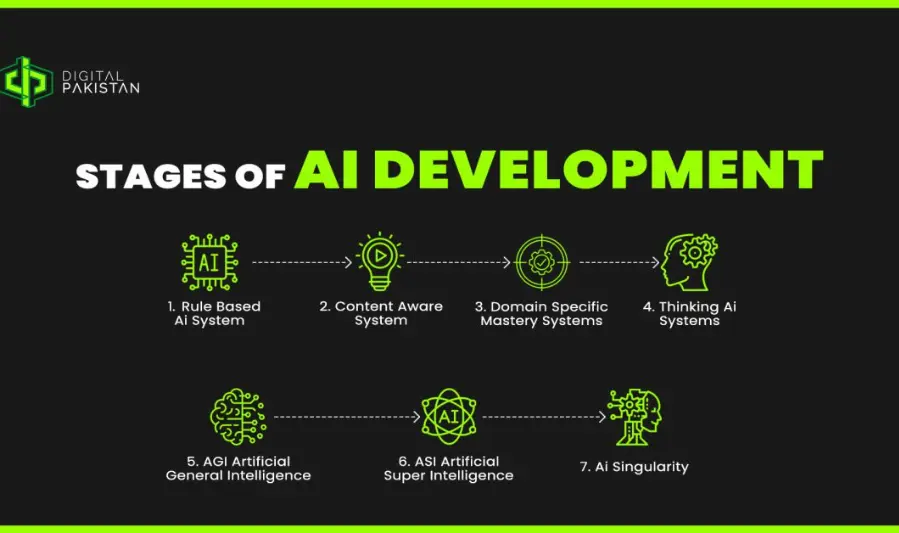
The AI industry has transitioned from academic research and experimental pilots to widespread, real-world deployment. Early AI systems were limited in scope and required extensive human oversight. By 2026, AI is embedded in everyday tools, enterprise platforms, and consumer applications, delivering measurable business and social value.
Growth of AI-Powered Products and Services
AI as a Standard Feature Across Industries
AI-powered products and services are now a default expectation rather than a novelty. Organizations across sectors leverage AI to enhance efficiency, personalization, and automation.
Key examples include:
- AI-driven customer support and virtual assistants
- Predictive analytics platforms for business intelligence
- Smart devices, wearables, and personalized digital experiences
This rapid expansion reflects growing trust in AI capabilities and improved accessibility of AI technologies.
Shift from Research-Driven to Commercial AI Solutions
Monetization and Scalability of AI Technologies
The AI industry has shifted its focus from theoretical breakthroughs to scalable, revenue-generating solutions. Commercial AI emphasizes reliability, compliance, cost efficiency, and integration with existing systems.
This shift is characterized by:
- Enterprise-ready AI platforms and SaaS offerings
- Industry-specific AI solutions tailored to real-world needs
- Stronger focus on ROI, performance, and governance
As a result, AI has become a critical business asset rather than a purely research-driven innovation.
Global AI Market Trends
Market Size and Growth Projections
Accelerating Expansion of the AI Economy
By 2026, the global AI market continues to experience strong double-digit growth, driven by enterprise adoption, government investment, and consumer-facing AI products. AI spending is expanding across software, hardware, cloud services, and industry-specific solutions.
Key growth drivers include:
- Increased enterprise automation and digital transformation
- Rapid adoption of generative AI and analytics platforms
- Rising demand for AI infrastructure, chips, and cloud services
AI is now considered a long-term growth engine rather than a short-term technology trend.
Regional AI Leadership
North America, Europe, and Asia as AI Powerhouses
Different regions are shaping the AI industry in distinct ways:
- North America leads in AI innovation, startups, cloud platforms, and venture capital investment
- Europe emphasizes ethical AI, regulation, and enterprise-focused adoption
- Asia drives large-scale deployment, manufacturing integration, and consumer AI adoption
Together, these regions dominate AI research, commercialization, and global influence.
AI Adoption in Emerging Markets
Expanding AI Access and Digital Inclusion
Emerging markets are increasingly adopting AI to address economic development, efficiency, and accessibility challenges. Lower-cost AI tools, cloud platforms, and mobile-based solutions are accelerating adoption.
Key trends include:
- AI use in fintech, healthcare access, and agriculture
- Government-led digital transformation initiatives
- Growing startup ecosystems leveraging AI for local solutions
This expansion is helping democratize AI and create new growth opportunities across developing economies.
Major AI Companies and Industry Leaders
Role of Big Tech Companies
Driving AI Infrastructure and Innovation
Large technology companies play a central role in shaping the AI industry. They invest heavily in AI research, cloud infrastructure, and large-scale deployment, setting industry standards and accelerating innovation.
Key contributions include:
- Development of large language models and generative AI platforms
- AI cloud services and enterprise-ready tools
- AI hardware, chips, and data center infrastructure
Big tech firms also influence regulation, talent development, and global AI ecosystems.
AI Startups Disrupting Traditional Industries
Innovation Through Agility and Specialization
AI startups are driving disruption by delivering focused, industry-specific solutions. Unlike large enterprises, startups move quickly, experiment aggressively, and target niche problems.
Notable areas of disruption include:
- Healthcare diagnostics and drug discovery
- Fintech automation and fraud prevention
- Marketing, content creation, and customer engagement
These startups often become acquisition targets or evolve into major industry players.
Strategic Partnerships, Mergers, and Acquisitions
Consolidation and Ecosystem Expansion
Strategic partnerships and M&A activity are reshaping the AI industry. Companies collaborate to combine data, expertise, and infrastructure while acquisitions accelerate product development and market entry.
Key trends include:
- Big tech acquiring specialized AI startups
- Cross-industry partnerships between AI vendors and enterprises
- Global alliances focused on AI research and deployment
This consolidation is strengthening AI ecosystems and accelerating innovation across markets.
Investment and Funding Landscape
Venture Capital and Private Equity Trends
Strong Capital Flow into AI Innovation
Venture capital and private equity continue to play a major role in accelerating AI innovation. In 2026, investors focus on scalable AI platforms, generative AI applications, and industry-specific solutions with clear revenue models.
Key investment trends include:
- Increased funding for enterprise AI and automation tools
- Strong interest in generative AI, data platforms, and AI infrastructure
- Greater emphasis on profitability, governance, and long-term value
Investors are prioritizing startups that demonstrate real-world impact and sustainable growth.
Government Funding and Public AI Initiatives
National Strategies and Public Sector Investment
Governments worldwide are expanding public funding for AI research and deployment. National AI strategies aim to strengthen economic competitiveness, security, and innovation.
Key initiatives include:
- Public investment in AI research institutions and universities
- AI adoption in healthcare, education, defense, and public services
- International collaborations on AI safety and standards
Government funding helps reduce risk and accelerate long-term AI development.
Corporate R&D Investments
AI as a Strategic Business Priority
Corporations are significantly increasing AI-focused research and development budgets. AI is now a core component of digital transformation and competitive strategy.
Key areas of corporate investment include:
- Proprietary AI models and data platforms
- Automation of operations and decision-making
- AI talent acquisition and internal innovation labs
These investments signal AI’s transition from an experimental technology to a long-term business foundation.
Core AI Technologies Driving the Industry
Machine Learning and Deep Learning Updates
Smarter, Faster, and More Efficient Models
Machine learning and deep learning remain the foundation of AI innovation. Recent updates focus on improving model efficiency, adaptability, and scalability.
Key developments include:
- Smaller, high-performance models with lower compute requirements
- Self-supervised and reinforcement learning advancements
- Faster training and inference through optimized architectures
These improvements enable wider adoption across industries and devices.
You may also like to read these posts:
Trend Forecast: Fashion Trends 2026 You Need to Know
Top Latest Fashion Style Trends to Update Your Wardrobe
Luxury Living Lifestyle Secrets for a Premium Way of Life
How AI Is Shaping the Future in 2026: Key Headlines You Should Know
Generative AI and Multimodal Models
Creating and Understanding Across Multiple Data Types
Generative AI has become a major growth driver, enabling content creation, simulation, and design automation. Multimodal models extend these capabilities by processing text, images, audio, and video together.
Key impacts include:
- High-quality content generation for business and creative use
- Enhanced human–AI interaction and contextual understanding
- Cross-domain applications in design, education, and marketing
Natural Language Processing and Computer Vision
Human-Level Interaction and Visual Intelligence
Advances in NLP and computer vision are making AI systems more human-like and perceptive.
Key applications include:
- Conversational AI and enterprise chatbots
- Real-time image and video analysis
- Document processing and knowledge extraction
These technologies power customer service, security, healthcare, and automation solutions.
AI Agents and Automation Tools
Autonomous Decision-Making and Workflow Optimization
AI agents are evolving into autonomous systems capable of planning, reasoning, and executing tasks with minimal human intervention.
Key uses include:
- Automated business workflows and operations
- Intelligent assistants for professionals and teams
- Multi-agent systems coordinating complex processes
AI-driven automation is redefining productivity and operational efficiency across industries.
Faqs:
What does AI industry news cover?
AI industry news includes updates on major companies, technological breakthroughs, investments, market trends, regulations, and sector-specific applications.
Which industries are most impacted by AI in 2026?
Healthcare, finance, retail, manufacturing, transportation, and education are among the leading industries adopting AI technologies.
What are the latest trends in the AI industry?
Key trends include generative AI, multimodal AI models, cloud-based AI solutions, automation, and open-source AI innovation.
What challenges does the AI industry face?
Challenges include ethical concerns, data privacy, talent shortages, high development costs, and integration of AI systems into existing workflows.
Why should businesses follow AI industry news?
Following AI industry news helps businesses stay competitive, adopt emerging technologies early, make strategic investments, and respond to market changes effectively.
Conclusion
AI industry news in 2026 highlights a rapidly evolving landscape of innovation, investment, and global adoption. From breakthroughs in machine learning, generative AI, and automation to strategic developments by leading companies, the AI industry is reshaping economies and business operations worldwide. While challenges such as ethical deployment, talent shortages, and data privacy remain, staying informed through AI industry news allows businesses, professionals, and investors to make strategic decisions and leverage emerging opportunities. The AI industry is not just transforming technology—it is shaping the future of industries and society as a whole.