
Introduction
Importance of Staying Updated on AI in 2026
Artificial Intelligence is evolving faster than ever. Staying informed about the latest developments in 2026 is essential for professionals, businesses, and tech enthusiasts who want to remain competitive and leverage AI for growth.
How AI Has Evolved from Research to Real-World Applications
AI has moved beyond academic research and experimental models. In 2026, it is widely adopted across industries, powering real-world solutions in healthcare, finance, education, consumer technology, and enterprise operations.
Brief Overview of Trends Shaping AI Across Industries
Key trends shaping AI adoption this year include:
- Advancements in large language models and multimodal AI
- Increased automation and intelligent decision-making in businesses
- Expansion of AI-powered consumer technologies
- Innovations in hardware and energy-efficient infrastructure
Understanding these trends is crucial for anticipating opportunities and preparing for the next wave of AI-driven transformation.
Breakthrough AI Technologies

Large Language Models (LLMs)
Large Language Models have reached unprecedented levels of natural language understanding and generation. In 2026, LLMs are capable of more accurate, context-aware interactions, enabling applications from customer service to content creation.
Key capabilities include:
- Advanced conversational AI and chatbots
- Summarization, translation, and knowledge extraction
- Contextual understanding for complex queries
Multimodal AI
Multimodal AI combines text, image, video, and audio processing, allowing systems to understand and generate information across multiple forms of media.
Applications include:
- Enhanced virtual assistants that interpret both visual and textual input
- AI-driven creative projects blending multiple content types
- Improved accessibility tools for education and business
Generative AI
Generative AI is revolutionizing creative industries, producing art, music, designs, and written content with minimal human input.
Benefits include:
- Faster content production for marketing, entertainment, and design
- Personalized creative experiences for consumers
- Collaboration between humans and AI in artistic innovation
AI Reasoning and Planning
Advanced AI systems now demonstrate improved reasoning, predictive analytics, and decision-making abilities, enabling smarter problem-solving across industries.
Key uses:
- Optimized supply chain and logistics operations
- Data-driven business strategy and forecasting
- Enhanced diagnostics and treatment planning in healthcare
Quantum AI Experiments
Quantum AI remains in early-stage experimentation, promising breakthroughs in computational power and algorithmic efficiency.
Potential impacts:
- Solving complex problems previously beyond classical computing
- Accelerating machine learning and optimization tasks
- Driving innovation in pharmaceuticals, finance, and materials science
AI in Consumer Technology
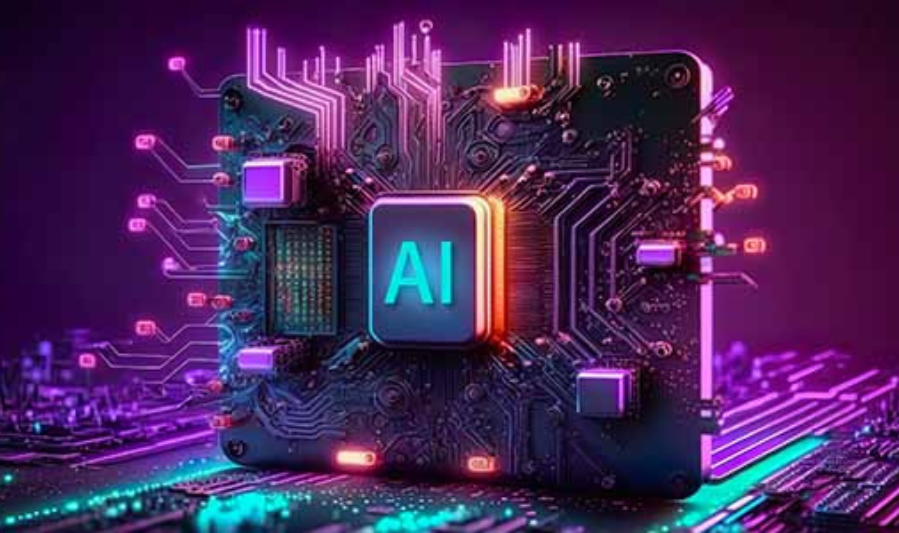
Smart Home Devices with Predictive Capabilities
AI-powered smart home devices are becoming increasingly predictive and adaptive, learning user routines to automate everyday tasks.
Key features include:
- Intelligent lighting, climate, and security systems
- Predictive energy management for cost and efficiency
- Personalized home environments based on habits and preferences
AI Assistants Evolving from Reactive to Proactive
Virtual assistants are moving beyond reactive commands to proactively anticipate user needs, offering timely suggestions and performing tasks autonomously.
Capabilities include:
- Scheduling and reminders based on routines
- Context-aware recommendations for work, travel, or leisure
- Seamless integration across multiple devices and platforms
Wearables for Health Monitoring and Lifestyle Optimization
Wearable devices are leveraging AI to monitor health and optimize daily routines.
Applications include:
- Continuous tracking of heart rate, sleep, and activity
- Personalized fitness and nutrition recommendations
- Early detection of health anomalies using predictive analytics
AI in Smartphones, Gaming, and AR/VR Experiences
Consumer electronics are increasingly integrated with AI to enhance functionality and user experience.
Examples include:
- AI-powered photography and video editing on smartphones
- Adaptive gaming experiences that learn player behavior
- Enhanced AR/VR applications with realistic simulations and interactive elements
Personalized Entertainment and Social Media AI Algorithms
AI is transforming content consumption by delivering highly personalized entertainment experiences.
Features include:
- Streaming platforms recommending content based on preferences
- Social media algorithms curating feeds for engagement and relevance
- AI-generated music, videos, and creative media tailored to individual tastes
Enterprise and Business AI
AI Automation in Operations and Logistics
AI is streamlining enterprise operations by automating repetitive and complex workflows, improving efficiency, and reducing human error.
Applications include:
- Supply chain and inventory management
- Automated procurement and resource allocation
- Process optimization in manufacturing and logistics
Multi-Agent AI Systems for Decision Support
Multi-agent AI systems allow multiple AI models to collaborate in solving complex business challenges, providing real-time decision support.
Key benefits:
- Coordinated operations across departments
- Scenario simulation and optimization
- Enhanced strategic planning and operational efficiency
AI-Driven Predictive Analytics for Marketing and Finance
Predictive analytics powered by AI enables businesses to make data-driven decisions, anticipate trends, and optimize performance.
Examples include:
- Forecasting market demand and customer behavior
- Personalized marketing campaigns for higher engagement
- Financial risk assessment and investment strategy planning
AI-Enabled Customer Service and Chatbots
AI-driven customer service tools enhance engagement by providing instant, accurate, and personalized support.
Features include:
- 24/7 chatbots for common inquiries
- Context-aware support that learns from interactions
- Seamless handoff to human agents for complex issues
AI in Cybersecurity and Risk Management
AI strengthens cybersecurity and risk management, detecting threats faster and predicting vulnerabilities before they escalate.
Applications include:
- Real-time anomaly detection and threat response
- Fraud prevention and transaction monitoring
- Automated compliance and risk assessment
AI Hardware and Infrastructure
Next-Generation AI Chips, GPUs, and Processors
2026 is witnessing significant advancements in AI-specific hardware, including faster chips, GPUs, and processors optimized for machine learning workloads. These innovations enable more powerful and efficient AI applications across industries.
Key features:
- Enhanced parallel processing for large models
- Lower latency and higher throughput
- Support for real-time AI computations in consumer and enterprise devices
Edge AI vs. Cloud AI Developments
AI computing is increasingly distributed between edge devices and cloud platforms, allowing organizations to balance speed, efficiency, and scalability.
Highlights:
- Edge AI: Localized processing for real-time responses and privacy
- Cloud AI: Centralized power for heavy computation and collaborative applications
- Hybrid solutions enabling seamless integration between edge and cloud
Energy-Efficient AI Computing and Sustainable Data Centers
Sustainability is becoming a critical focus in AI infrastructure. Modern data centers are designed for energy efficiency, reducing environmental impact while supporting massive AI workloads.
Advances include:
- Low-power processors and optimized cooling systems
- Renewable energy integration for data centers
- Resource allocation optimization for efficiency
You may also like to read these posts:
Trend Forecast: Fashion Trends 2026 You Need to Know
Top Latest Fashion Style Trends to Update Your Wardrobe
Luxury Living Lifestyle Secrets for a Premium Way of Life
How AI Is Shaping the Future in 2026: Key Headlines You Should Know
Specialized AI Accelerators for Industry Applications
Specialized AI accelerators are emerging to meet the demands of industry-specific workloads, from healthcare diagnostics to financial modeling.
Benefits include:
- Tailored processing for unique tasks
- Faster inference times for real-world applications
- Enabling complex AI deployments at scale
AI Governance, Ethics, and Regulation
Global AI Policies and Compliance Requirements
As AI adoption accelerates, governments and regulatory bodies are implementing policies to ensure safe and responsible AI use. Companies must comply with evolving standards to avoid legal and reputational risks.
Key aspects include:
- National AI strategies and compliance frameworks
- Industry-specific regulations in healthcare, finance, and security
- Penalties for non-compliance and data misuse
Ethical Frameworks for Responsible AI Deployment
Responsible AI requires adherence to ethical principles that prioritize human well-being, fairness, and societal benefit.
Core ethical considerations:
- Avoiding bias and discrimination in AI algorithms
- Ensuring accountability for automated decisions
- Protecting privacy and data rights of individuals
Transparency and Explainability Standards
Transparency is crucial for building trust in AI systems. Explainable AI ensures that decisions made by machines can be understood and justified by humans.
Standards include:
- Clear documentation of AI model training and decision logic
- User-facing explanations for AI-driven outcomes
- Auditability for compliance and accountability purposes
Cross-Border Collaboration on AI Safety and Regulation
AI governance is a global challenge. Cross-border collaboration is essential to harmonize safety standards, share best practices, and manage risks associated with powerful AI technologies.
Focus areas include:
- International agreements on AI safety and ethics
- Collaborative research on risk mitigation
- Standardized regulatory frameworks for multinational AI deployments
AI in Healthcare and Science
AI-Assisted Diagnostics and Predictive Health Tools
AI is transforming healthcare by enabling faster and more accurate diagnostics. Predictive health tools analyze patient data to identify risks and suggest early interventions.
Applications include:
- Automated imaging analysis for X-rays, MRIs, and CT scans
- Predictive models for disease progression and patient outcomes
- Early detection of chronic conditions through data analytics
Drug Discovery and Personalized Medicine
AI accelerates drug development and supports personalized treatment plans, reducing costs and improving patient outcomes.
Key uses:
- Identifying potential drug candidates faster than traditional methods
- Designing targeted therapies based on individual genetic profiles
- Optimizing clinical trials and treatment strategies
AI in Genomics, Bioinformatics, and Clinical Research
AI is revolutionizing genomics and scientific research, enabling deeper insights from complex biological data.
Highlights include:
- Genome sequencing analysis for disease prediction
- Bioinformatics tools for large-scale biological datasets
- Accelerating research in precision medicine and healthcare innovation
Remote Monitoring and Telehealth Powered by AI
AI-powered remote monitoring and telehealth solutions are expanding access to healthcare and improving patient care.
Benefits include:
- Continuous patient monitoring through wearable devices
- Virtual consultations with AI-assisted diagnostics
- Personalized health insights delivered remotely
AI and the Workforce
- Jobs transformed or created by AI adoption
- Upskilling and reskilling programs for AI competencies
- Human-AI collaboration in creative, technical, and analytical roles
- AI-driven productivity tools in office and industrial settings
Faqs:
What are the most important artificial intelligence updates in 2026?
Key updates include advancements in large language models, multimodal AI systems, generative AI, AI-driven predictive analytics, and energy-efficient AI hardware.
How is AI changing consumer technology in 2026?
AI is enhancing smart home devices, wearables, AR/VR experiences, personalized entertainment, and AI assistants that proactively manage daily tasks.
What are the major risks associated with AI in 2026?
Risks include AI bias, misinformation, deepfakes, security vulnerabilities, and over-reliance on automated systems without human oversight.
How is AI impacting the workforce and education?
AI is transforming jobs, creating demand for new skills, enabling human-AI collaboration, and powering personalized learning platforms and adaptive educational tools.
How are governments and organizations regulating AI in 2026?
Governments and organizations are implementing ethical guidelines, transparency requirements, and compliance frameworks to ensure safe, responsible, and fair AI deployment.
Conclusion
Artificial intelligence updates in 2026 highlight a year of rapid innovation and real-world impact. From breakthroughs in large language models, multimodal AI, and generative systems to applications in healthcare, business, education, and daily life, AI is transforming how we live and work. While challenges such as ethics, regulation, and workforce adaptation remain, staying informed and adopting AI responsibly ensures that individuals and organizations can harness its full potential. 2026 is not just about new technologies—it’s about practical, measurable change shaping the future.