
Introduction
Importance of Learning Software Skills in 2026
Staying Relevant in a Tech-Driven World
In 2026, software skills are essential for career growth, productivity, and personal development. From programming to digital tools, knowing how to use software effectively is a key advantage in almost every industry.
How Software Knowledge Boosts Career, Productivity, and Creativity
Unlocking Opportunities Across Fields
Learning software enables individuals to:
- Enhance career prospects with in-demand technical skills
- Increase productivity through automation and efficient workflows
- Foster creativity in design, data visualization, and content creation
Strong software skills empower professionals and enthusiasts to adapt quickly in a rapidly evolving digital landscape.
Benefits of Following Structured Tutorials for Beginners
Step-by-Step Learning for Effective Skill Building
Structured tutorials help beginners:
- Learn concepts systematically, avoiding confusion
- Practice hands-on exercises for real-world application
- Track progress and build confidence with clear milestones
Following tutorials ensures a solid foundation and faster mastery of software skills in 2026.
Why Software Tutorials Are Essential for Beginners
Provides a Step-by-Step Learning Approach
Structured Learning for Effective Progress
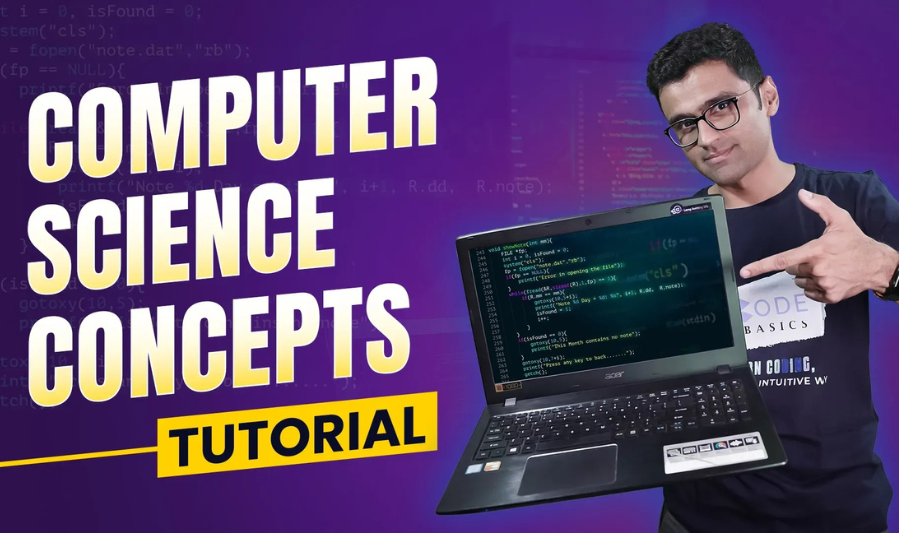
Tutorials break down complex software into manageable steps, helping beginners grasp concepts gradually. This systematic approach ensures learners build a solid foundation without feeling overwhelmed.
Reduces Confusion and Learning Curve
Simplifying Complex Tools
New software can be intimidating. Tutorials simplify navigation, explain key features, and demonstrate workflows, reducing trial-and-error frustration. Beginners can focus on learning efficiently rather than guessing.
Builds Confidence with Hands-On Practice
Learn by Doing
Practical exercises in tutorials let learners apply concepts immediately:
- Step-by-step projects reinforce understanding
- Real-world scenarios prepare learners for actual tasks
- Confidence grows as users successfully complete tasks
Hands-on practice is key to turning knowledge into skills.
Keeps Learners Updated with New Software Features and Trends
Stay Current in a Rapidly Evolving Tech World
Software evolves quickly, and tutorials often include latest updates and features:
- Learn new tools without confusion
- Stay competitive in personal or professional projects
- Gain awareness of emerging trends and best practices
This ensures beginners remain relevant and proficient in a constantly changing digital environment.
Why Software Tutorials Are Essential for Beginners

Provides a Step-by-Step Learning Approach
Structured Learning for Effective Progress
Tutorials break down complex software into manageable steps, helping beginners grasp concepts gradually. This systematic approach ensures learners build a solid foundation without feeling overwhelmed.
Reduces Confusion and Learning Curve
Simplifying Complex Tools
New software can be intimidating. Tutorials simplify navigation, explain key features, and demonstrate workflows, reducing trial-and-error frustration. Beginners can focus on learning efficiently rather than guessing.
Builds Confidence with Hands-On Practice
Learn by Doing
Practical exercises in tutorials let learners apply concepts immediately:
- Step-by-step projects reinforce understanding
- Real-world scenarios prepare learners for actual tasks
- Confidence grows as users successfully complete tasks
Hands-on practice is key to turning knowledge into skills.
Keeps Learners Updated with New Software Features and Trends
Stay Current in a Rapidly Evolving Tech World
Software evolves quickly, and tutorials often include latest updates and features:
- Learn new tools without confusion
- Stay competitive in personal or professional projects
- Gain awareness of emerging trends and best practices
This ensures beginners remain relevant and proficient in a constantly changing digital environment.
Popular Software Categories for Beginners
Office & Productivity Tools
Microsoft Office, Google Workspace, Notion, Trello
These tools help beginners manage tasks, documents, and projects efficiently:
- Microsoft Office & Google Workspace: Word processing, spreadsheets, presentations
- Notion & Trello: Task management, note-taking, and project tracking
Essential for students, professionals, and anyone looking to improve productivity.
Graphic Design Software
Canva, Photoshop, Illustrator, Figma
Graphic design tools enable beginners to create visuals and creative content:
- Canva: User-friendly for social media and marketing graphics
- Photoshop & Illustrator: Advanced editing for professional-level design
- Figma: UI/UX design and collaborative prototyping
Ideal for creative projects, marketing, and design learning.
Video & Audio Editing Software
Adobe Premiere Pro, Filmora, DaVinci Resolve, Audacity
Video and audio editing software helps beginners produce multimedia content:
- Video editing: Adobe Premiere Pro, Filmora, DaVinci Resolve
- Audio editing: Audacity for podcasts, music, and voiceovers
Great for content creators, educators, and hobbyists.
Programming & Coding Tools
Python, JavaScript, Scratch, HTML/CSS
Programming tools introduce beginners to software development and logical thinking:
- Python & JavaScript: Popular languages for web, AI, and app development
- Scratch: Visual programming for kids and beginners
- HTML/CSS: Building and designing websites
These tools are foundational for tech careers and coding literacy.
Collaboration & Communication Tools
Slack, Zoom, Teams
Collaboration software helps beginners communicate and work effectively in teams:
- Slack: Messaging and team organization
- Zoom & Teams: Video conferencing, meetings, and remote collaboration
Essential for remote work, online learning, and professional communication.
Free and Paid Learning Resources
Free Resources
YouTube Tutorials, Blogs, Forums, and Open Courses
Free resources are great for beginners exploring software skills:
- YouTube tutorials provide step-by-step video guides
- Blogs and forums offer tips, tricks, and problem-solving advice
- Open online courses from platforms like MIT OpenCourseWare or Khan Academy provide structured learning
These resources are ideal for self-paced exploration without financial commitment.
Paid Resources
Udemy, Coursera, LinkedIn Learning, Skillshare
Paid platforms offer structured courses and certifications:
- Udemy & Skillshare: Affordable courses with practical exercises
- Coursera & LinkedIn Learning: Professional-grade courses, sometimes offering certificates
- Courses often include project-based learning, assessments, and instructor support
Paid resources are suitable for learners seeking in-depth guidance and career-oriented skills.
Community Support
Reddit, Discord, and Facebook Groups for Beginners
Online communities provide peer learning and real-time support:
- Share knowledge, ask questions, and solve problems collaboratively
- Stay motivated and get tips from experienced users
- Access to community-driven tutorials and resources
Engaging in communities enhances learning efficiency and confidence.
Books & eBooks
Beginner-Friendly Guides and Reference Books
Books remain a valuable resource for structured learning:
- Step-by-step guides for specific software
- Reference books for advanced features and troubleshooting
- eBooks for convenient, on-the-go learning
Books are ideal for learners who prefer detailed explanations and offline study.
You may also like to read these posts:
Trend Forecast: Fashion Trends 2026 You Need to Know
Top Latest Fashion Style Trends to Update Your Wardrobe
Luxury Living Lifestyle Secrets for a Premium Way of Life
How AI Is Shaping the Future in 2026: Key Headlines You Should Know
Tips for Faster Learning
Follow Tutorials Step by Step
Avoid Skipping Important Steps
Beginners should follow tutorials from start to finish without skipping sections. Each step builds foundational understanding, and missing small details can create confusion later. Completing tutorials fully helps develop strong core skills.
Practice with Small Projects Daily
Apply What You Learn Immediately
Daily practice reinforces learning. Working on small projects like creating a simple document, design, or script helps turn theory into real skills. Consistent hands-on practice improves confidence and problem-solving ability.
Take Notes and Bookmark Key Resources
Create Your Personal Learning Library
Writing notes helps retain information, while bookmarking tutorials, tools, and references saves time. Keeping a personal resource collection allows quick revision and supports long-term learning efficiency.
Join Online Communities for Support
Learn Faster with Peer Interaction
Online forums, Discord servers, and social groups allow beginners to ask questions, share experiences, and get feedback. Community learning reduces frustration and accelerates progress.
Stay Patient, Consistent, and Motivated
Build Skills with Long-Term Commitment
Learning software takes time. Staying patient, practicing regularly, and celebrating small achievements keeps motivation high. Consistency beats speed when building lasting skills.
Faqs:
Which software is best for beginners to learn first?
Beginners should start with basic office tools, simple graphic design software like Canva, or beginner-friendly programming languages such as Python.
Are online software tutorials effective for beginners?
Yes, step-by-step online tutorials with practical examples are highly effective for beginners when followed consistently.
How long does it take to learn software as a beginner?
Learning time depends on the software and practice level, but beginners can understand basics within a few weeks with regular practice.
Do beginners need paid courses to learn software?
No, many free tutorials are available, but paid courses can offer structured learning and expert guidance.
How can beginners avoid common mistakes while learning software?
Beginners should follow tutorials step by step, practice regularly, and avoid skipping foundational lessons.
Conclusion
Learning software skills has become essential in 2026, and software tutorials for beginners make this journey easier and more effective. By following step-by-step guides, practicing regularly, and starting with beginner-friendly tools, learners can build confidence and practical skills over time. With the right resources and consistent effort, beginners can master software efficiently and open new opportunities for career growth, productivity, and creativity.