

Introduction
Overview of Rapid Technological Evolution
How Innovation is Transforming the World
Technology continues to advance at an unprecedented pace, reshaping industries, lifestyles, and economies. In 2026, emerging technologies will redefine how we live, work, and interact.
Importance of Staying Informed About Emerging Technologies
Adapting and Remaining Competitive
- Staying updated helps businesses innovate and stay ahead of competitors
- Individuals can prepare for new skills and career opportunities
- Enables strategic planning, investment, and adoption of cutting-edge solutions
Purpose: Highlighting Key Emerging Tech Forecasts
Insights into 2026 and Beyond
This article explores the most impactful emerging technologies of 2026, including AI, quantum computing, XR, autonomous mobility, and sustainable innovations, showing how they will shape industries and everyday life.
Artificial Intelligence (AI) Evolution
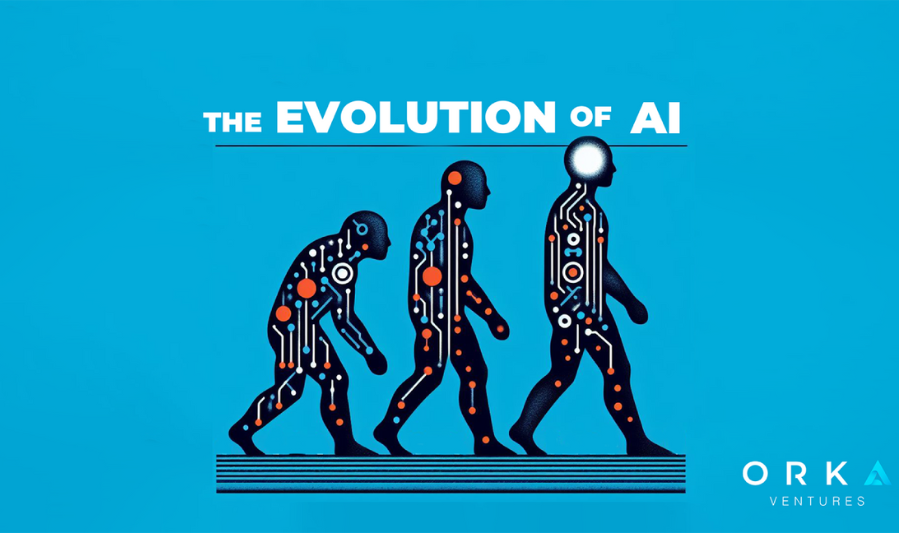
AI Becoming More Autonomous and Intelligent
Smarter Systems for Daily Life and Work
- AI systems are increasingly capable of performing complex tasks without human intervention
- Automation extends to workflows, customer service, and smart devices
- Enhances efficiency and productivity across industries and personal applications
Predictive Analytics, Automation, and Decision-Making Improvements
Data-Driven Insights and Smarter Operations
- AI analyzes large datasets for accurate predictions and trend forecasting
- Improves decision-making in finance, marketing, and logistics
- Enables businesses to optimize operations and reduce human error
Ethical Considerations and Governance Frameworks
Responsible and Transparent AI
- Development of ethical guidelines for fairness, accountability, and transparency
- Compliance with global AI regulations and governance standards
- Ensures safe and responsible deployment across sensitive sectors
Real-World Applications
Transforming Industries
- Healthcare: AI-assisted diagnostics and predictive health monitoring
- Finance: Fraud detection, algorithmic trading, and risk analysis
- Education: Personalized learning and AI-powered tutoring
- Business Operations: Workflow automation and decision support
Quantum Computing Advances

Introduction to Quantum Computing and Its Significance
Redefining Computational Power
- Quantum computers use qubits that can process multiple states simultaneously, unlike classical bits
- Enables extremely fast calculations and simulations for complex problems
- Holds potential to transform industries and scientific research
Industries Benefiting from Quantum Computing
Real-World Applications
- Cryptography: Stronger encryption methods and secure communications
- Logistics: Optimized routing, supply chain management, and predictive analytics
- Pharmaceuticals: Accelerated drug discovery and molecular modeling
- Research: Solving complex simulations in physics, chemistry, and material science
Quantum Encryption and Cybersecurity Improvements
Securing Data in a Quantum Era
- Quantum key distribution (QKD) provides virtually unbreakable encryption
- Protects sensitive information from emerging quantum cyber threats
- Ensures data integrity, privacy, and secure communications
Challenges in Widespread Adoption
Overcoming Technical and Practical Barriers
- High hardware and operational costs
- Limited availability of skilled professionals and quantum algorithms
- Error correction and system stability remain significant obstacles
- Infrastructure upgrades required for mainstream integration
Extended Reality (XR) – VR, AR, and MR
Differences Between Virtual Reality (VR), Augmented Reality (AR), and Mixed Reality (MR)
Understanding the XR Spectrum
- Virtual Reality (VR): Fully immersive digital environments accessed through headsets
- Augmented Reality (AR): Overlays digital content onto the real world using smartphones or smart glasses
- Mixed Reality (MR): Combines VR and AR, allowing interaction with both real and virtual objects simultaneously
Applications in Education, Training, Entertainment, Retail, and Remote Collaboration
Transforming Experiences Across Industries
- Education & Training: Virtual classrooms, simulations, and hands-on learning experiences
- Entertainment: Immersive gaming, live events, and interactive media
- Retail: Virtual try-ons, interactive shopping experiences, and product visualization
- Remote Collaboration: Virtual meetings, 3D workspace visualization, and collaborative design
Market Adoption, Device Accessibility, and Future Growth Trends
Widespread XR Integration
- Falling hardware costs (VR headsets, AR glasses) increase accessibility
- Integration with AI, 5G, and cloud computing enables seamless, real-time experiences
- Rapid adoption expected in education, healthcare, enterprise, and consumer sectors
- XR is set to reshape how people learn, work, shop, and socialize by 2026
Next-Generation Connectivity – 5G and Beyond
Global Expansion and Adoption of 5G Networks
Faster, More Reliable Connections
- 5G networks are being deployed worldwide, offering high-speed internet and low latency
- Supports millions of connected devices and seamless communication
- Enables new applications in mobile, IoT, and enterprise technologies
Impact on IoT Devices, Real-Time Data, and Low-Latency Applications
Enabling Smarter and Faster Systems
- IoT devices rely on 5G for real-time monitoring, automation, and data analytics
- Critical for applications such as autonomous vehicles, AR/VR streaming, and smart factories
- Low latency improves responsiveness, safety, and operational efficiency
Smart Cities, Connected Infrastructure, and Industrial IoT Benefits
Creating Efficient and Sustainable Urban Environments
- AI-powered traffic management and predictive maintenance improve urban mobility and safety
- Connected utilities and industrial IoT systems enhance energy efficiency and productivity
- Supports integrated public services and sustainable city planning
You may also like to read these posts:
Trend Forecast: Fashion Trends 2026 You Need to Know
Top Latest Fashion Style Trends to Update Your Wardrobe
Luxury Living Lifestyle Secrets for a Premium Way of Life
How AI Is Shaping the Future in 2026: Key Headlines You Should Know
Future Prospects: 6G and Ultra-Fast Connectivity
Next Frontier in Wireless Communication
- 6G promises terabit-level speeds, near-zero latency, and global coverage
- Will enable holographic communication, advanced AR/VR, and fully autonomous systems
- Expected to redefine digital interaction, smart cities, and industrial automation
Autonomous Systems and Smart Mobility
Self-Driving Cars, Drones, and AI-Powered Logistics
Revolutionizing Transportation and Delivery
- Autonomous cars reduce human error and improve traffic efficiency
- Delivery drones and AI-enabled logistics accelerate supply chain operations
- Enhances safety, convenience, and operational productivity in urban and rural areas
Electric and Hydrogen-Powered Vehicles
Sustainable and Clean Transportation
- EVs and hydrogen-powered vehicles reduce carbon emissions and reliance on fossil fuels
- Supports environmentally friendly mobility and government sustainability goals
- Growing charging infrastructure and incentives drive adoption
Smart Traffic Management Systems and Urban Mobility Improvements
Connected Cities for Efficient Transportation
- AI-driven traffic control optimizes traffic flow and reduces congestion
- Integration of autonomous vehicles, public transport, and ride-sharing improves commute efficiency
- Enhances urban mobility, safety, and energy efficiency
Regulatory, Safety, and Adoption Challenges
Ensuring Responsible Deployment
- Governments implement safety standards and liability frameworks for autonomous operations
- Addressing cybersecurity, infrastructure readiness, and public trust is critical
- Balancing innovation with legal and societal considerations
Faqs:
Which technologies will shape the next decade?
AI, quantum computing, extended reality (XR), autonomous systems, biotechnology, robotics, and sustainable technologies are expected to dominate innovation.
How will 5G impact emerging technologies?
5G will enable faster connectivity, scale IoT devices, support real-time applications, and facilitate smart cities and industrial automation.
When will autonomous vehicles become mainstream?
Adoption will grow gradually over the next few years, depending on safety regulations, infrastructure, and technological advancements.
How will biotechnology affect healthcare in the future?
AI diagnostics, gene editing, wearable devices, and personalized medicine will transform patient care, prevention, and longevity.
Why is sustainable technology crucial for the future?
Sustainable innovations reduce environmental impact, optimize resources, comply with regulations, and align with consumer demand for eco-friendly solutions.
Conclusion
The future is set to be shaped by a wave of transformative technologies. From AI and quantum computing to extended reality, autonomous systems, biotechnology, robotics, and sustainable innovations, these emerging tech forecasts highlight the innovations that will redefine industries and everyday life. Staying informed, adaptable, and ready to embrace change is essential for individuals and businesses to thrive. By understanding and leveraging these emerging technologies, we can prepare for a smarter, more connected, and innovative future.