
Introduction
Importance of Proper Software Installation in 2026
Setting the Foundation for Efficient Use
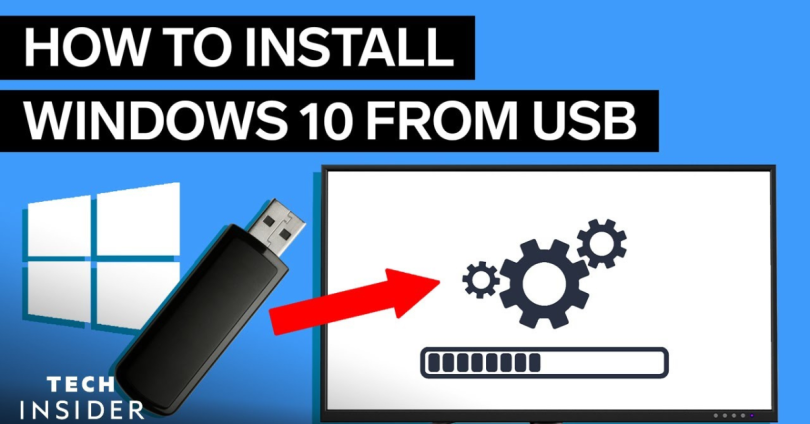
Correct installation ensures software runs smoothly, avoids errors, and delivers full functionality. In 2026, with increasingly complex applications, proper setup is crucial for both beginners and professionals.
Common Challenges Faced by Beginners
Avoiding Mistakes and Technical Issues
New users often encounter:
- Downloading from unofficial or unsafe sources
- Compatibility issues with operating systems
- Missing dependencies or incorrect configurations
- Confusing setup steps or skipped instructions
Being aware of these challenges helps prevent frustration and wasted time.
Benefits of Following Expert Tips for Error-Free Installation
Start Learning Without Hassle
Following installation tips from trusted sources ensures:
- Smooth setup with minimal technical difficulties
- Software is configured for optimal performance
- Beginners can focus on learning the software rather than fixing problems
Proper installation forms the first step toward successful software mastery.
Preparing for Software Installation
Check System Requirements
Ensure Your Device Meets Minimum Specifications
Before installing any software, verify:
- CPU, RAM, and storage meet or exceed requirements
- Compatible operating system version
- Graphics or peripheral requirements, if applicable
Meeting system requirements ensures smooth performance and avoids installation errors.
Back Up Important Files and Create Restore Points
Protect Your Data
Always safeguard your existing data before installation:
- Backup important files to an external drive or cloud
- Create system restore points in case of installation issues
- Reduces the risk of data loss or system instability
Ensure Sufficient Storage Space and Internet Stability
Avoid Interruptions During Installation
- Check that your device has enough free disk space for software and updates
- Stable internet connection for downloading files, updates, or license verification
- Prevents corrupted downloads and incomplete installations
Update Operating System, Drivers, and Security Software
Prepare Your System for Compatibility
- Install latest OS updates and patches
- Update drivers for graphics, audio, and peripherals
- Ensure antivirus or firewall settings won’t block installation
Keeping your system updated reduces errors and improves software performance.
Downloading Software Safely
Download from Official or Trusted Sources Only
Ensure Authentic and Secure Files
Always download software from:
- Official websites of the developer or company
- Authorized distributors or app stores
- Avoid third-party sites that may contain malware or altered files
Downloading from trusted sources reduces the risk of viruses and software corruption.
Verify File Integrity and Digital Signatures
Confirm the Software Is Genuine
- Check checksums (MD5, SHA-256) provided by the developer
- Verify digital signatures to ensure files haven’t been tampered with
- Helps prevent installation of compromised or unsafe software
Avoid Pirated or Cracked Software
Protect Your System and Data
- Pirated software often contains malware, spyware, or ransomware
- Legal risks associated with using unauthorized software
- Ensures software functions correctly and receives updates
Check User Reviews and Ratings for Reliability
Learn from Other Users’ Experiences
- Read reviews and ratings on official platforms or tech communities
- Identify common issues or potential bugs before downloading
- Helps make informed decisions and avoid unreliable software
Step-by-Step Installation Tips
Run Installer as Administrator
Ensure Proper Permissions
- Right-click the installer and select “Run as Administrator”
- Grants the software necessary access to system files
- Prevents permission errors and incomplete installations
Read Instructions Carefully at Each Step
Avoid Mistakes During Setup
- Follow the on-screen prompts diligently
- Check for license agreements, optional components, and default settings
- Skipping instructions may cause malfunction or unwanted features
Choose Custom Installation to Avoid Unnecessary Add-Ons
Control What Gets Installed
- Opt for custom or advanced installation instead of default
- Uncheck bloatware, toolbars, or unrelated software
- Keeps your system clean and optimized
Select Preferred Installation Location
Organize Files for Easy Access
- Choose a drive or folder that has sufficient space
- Helps in better file management and system performance
- Avoid installing on system folders unless required
Monitor Installation Progress and Avoid Interruptions
Ensure Smooth Completion
- Keep the system powered and connected to the internet if needed
- Avoid closing the installer or shutting down the PC
- Prevents corrupted installations or missing files
Post-Installation Tips
Restart the Computer if Required
Finalize the Installation
- Many software programs require a system restart to complete setup
- Ensures all files and configurations are properly applied
- Prevents errors or malfunction during first use
Apply Latest Updates and Patches
Keep Software Secure and Functional
- Check for official updates immediately after installation
- Updates fix bugs, security vulnerabilities, and performance issues
- Keeps your software reliable and compatible with your system
Configure Settings for Optimal Performance
Customize Software to Your Needs
- Adjust preferences, display, and performance settings
- Enable features that match your workflow or usage style
- Improves efficiency and user experience
Create Shortcuts and Organize Program Files
Access Software Quickly and Efficiently
- Place shortcuts on the desktop, taskbar, or start menu
- Organize program folders for easy navigation
- Saves time and enhances workflow productivity
Enable Auto-Updates for Continuous Security and Performance
Stay Up-to-Date Automatically
- Turn on automatic updates if available
- Ensures the software receives latest features, security patches, and bug fixes
- Reduces the need for manual monitoring and keeps the software running smoothly
Troubleshooting Common Installation Issues
What to Do If Installation Fails
Identify the Cause and Restart
- Check error messages carefully to understand the problem
- Restart your computer and attempt installation again
- Ensures temporary glitches or system processes aren’t causing failure
Resolving Compatibility Issues
Make Software Work on Your System
- Verify operating system version, CPU, RAM, and graphics requirements
- Run the installer in compatibility mode if necessary
- Update drivers or OS patches to meet software requirements
You may also like to read these posts:
Trend Forecast: Fashion Trends 2026 You Need to Know
Top Latest Fashion Style Trends to Update Your Wardrobe
Luxury Living Lifestyle Secrets for a Premium Way of Life
How AI Is Shaping the Future in 2026: Key Headlines You Should Know
Handling Insufficient Storage or Permissions Errors
Free Up Space and Gain Proper Access
- Clear temporary files or uninstall unnecessary programs to free storage
- Run installer as administrator to gain proper permissions
- Prevents errors caused by lack of resources or access restrictions
Dealing with Antivirus or Firewall Blocking Installation
Ensure Safe Installation Without Interruption
- Temporarily disable antivirus or firewall if they block installation
- Always re-enable protection after setup is complete
- Verify software is from a trusted source to avoid security risks
Reinstalling or Rolling Back Updates if Needed
Fix Persistent Issues
- Uninstall partially installed software and try a clean reinstall
- Roll back recent system updates if they conflict with the software
- Ensures software is installed correctly and functions properly
Faqs:
How can I install software safely in 2026?
Always download software from official or trusted sources, verify file integrity, and scan downloads with antivirus before installation.
What should I check before installing software?
Ensure your system meets minimum requirements, back up important files, update your OS and drivers, and have sufficient storage space.
Why does software installation fail sometimes?
Installation can fail due to insufficient system requirements, corrupted files, antivirus or firewall interference, or interrupted setup processes.
Should I update software immediately after installation?
Yes, updates often include security patches, bug fixes, and performance improvements that ensure smooth software operation.
How can beginners avoid common installation mistakes?
Follow step-by-step guides, read instructions carefully, avoid untrusted sources, check system requirements, and apply updates after installation.
Conclusion
Following proper software installation tips 2026 ensures a smooth, safe, and efficient setup for any program. By preparing your system, downloading from trusted sources, carefully following installation steps, and applying updates, beginners and professionals alike can avoid common mistakes and enjoy optimal software performance. Applying these tips consistently will make software installation quick, reliable, and hassle-free in 2026.