
Introduction
Brief Overview of Rapid Technological Evolution
How Technology is Transforming Our World
The pace of technological innovation continues to accelerate, reshaping industries, lifestyles, and global economies. In 2026, emerging technologies will impact how we work, communicate, and live.
Importance of Staying Ahead in a Tech-Driven World
Adaptation and Competitiveness
Understanding upcoming trends helps individuals and businesses:
- Anticipate changes in industries and job markets
- Invest wisely in new tools and platforms
- Remain competitive and relevant in a rapidly evolving environment
Purpose of the Article: Exploring Key Future Tech Predictions
Insights Into 2026 and Beyond
This article highlights key technological trends and predictions shaping 2026, including:
- Breakthroughs in AI, robotics, and computing
- Innovations in consumer tech, healthcare, and mobility
- How emerging technologies will influence society, business, and everyday life
Artificial Intelligence (AI)
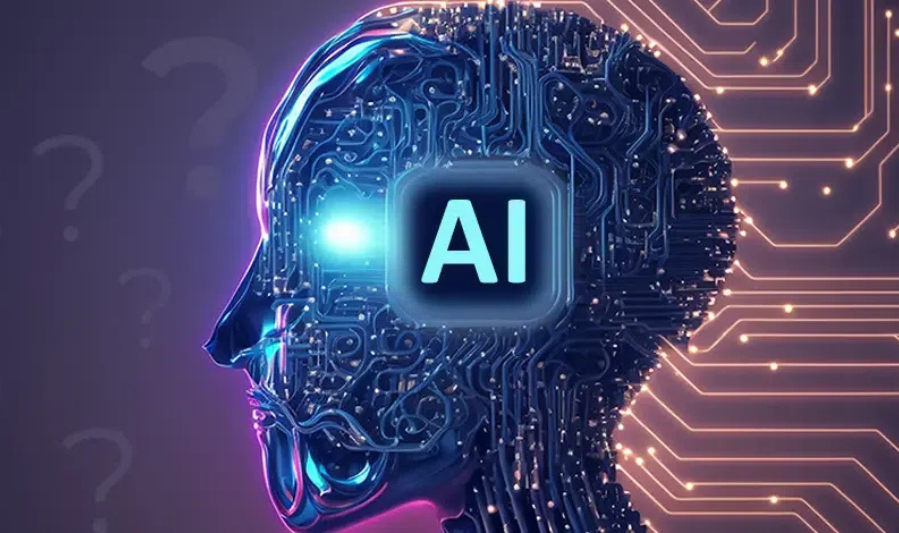
AI Becoming Ubiquitous in Daily Life
Integration Into Everyday Activities
AI is increasingly present in smartphones, home devices, and apps:
- Personal assistants like Siri, Alexa, and Google Assistant
- Smart home automation for lighting, temperature, and security
- Personalized recommendations in entertainment, shopping, and social media
AI-Driven Automation in Workplaces
Enhancing Productivity and Efficiency
- Automating repetitive tasks in finance, marketing, and operations
- AI-powered analytics for data-driven decision-making
- Collaborative AI tools assisting creatives, engineers, and developers
Ethical Considerations and AI Regulations
Responsible AI Deployment
- Ensuring privacy, fairness, and transparency in AI systems
- Compliance with emerging AI regulations and safety standards
- Balancing innovation with ethical and societal responsibilities
Examples of AI Applications
Real-World Impact
- Smart assistants streamlining tasks and reminders
- AI in healthcare for diagnostics, predictive analytics, and treatment planning
- Predictive analytics for business forecasting and consumer behavior
Quantum Computing

What Quantum Computing Is and Why It Matters
A Leap Beyond Classical Computing
Quantum computing uses quantum bits (qubits) to perform calculations far beyond the speed and capacity of classical computers. It promises to solve complex problems, optimize processes, and transform research capabilities in ways traditional computers cannot.
Industries That Will Benefit
Real-World Applications
- Finance: Risk modeling, fraud detection, and high-speed trading
- Pharmaceuticals: Accelerated drug discovery and molecular simulations
- Logistics: Optimized supply chain and route planning
Quantum computing allows these industries to process massive datasets and run simulations faster than ever before.
Quantum Encryption and Cybersecurity
Securing Data in the Quantum Era
- Quantum computing enables unbreakable encryption through quantum key distribution (QKD)
- Protects sensitive information against future cyber threats
- Ensures data privacy and secure communication
Future Challenges in Mainstream Adoption
Obstacles to Overcome
- High costs and technical complexity of quantum hardware
- Need for skilled workforce trained in quantum algorithms
- Error correction and stability issues for reliable operations
Despite challenges, quantum computing is poised to revolutionize industries and technology in the coming years.
Extended Reality (XR)
Differences Between VR, AR, and MR
Understanding the XR Spectrum
- Virtual Reality (VR): Fully immersive digital environments for gaming, training, or simulations
- Augmented Reality (AR): Overlays digital elements onto the real world using smartphones or smart glasses
- Mixed Reality (MR): Combines VR and AR to interact with both physical and digital objects simultaneously
Understanding these distinctions helps identify the right XR solution for specific use cases.
XR Applications in Education, Training, Entertainment, and Remote Work
Transforming Learning and Productivity
- Education: Immersive classrooms, virtual labs, and interactive learning modules
- Training: Simulations for medical, military, and industrial skills
- Entertainment: Gaming, live events, and interactive experiences
- Remote Work: Virtual meetings, collaborative design, and 3D workspace environments
XR enhances engagement, skill acquisition, and real-world problem-solving.
The Role of XR in Immersive Social Experiences
Redefining Communication and Interaction
- Virtual social spaces for meetups, events, and networking
- Digital avatars for personalized interaction and collaboration
- Opportunities for global connectivity without physical constraints
Future Growth Trends and Adoption Rates
XR Market Expansion
- Increasing hardware affordability (headsets, smart glasses)
- Integration with AI, 5G, and cloud computing for seamless experiences
- Predictions suggest rapid adoption across education, healthcare, entertainment, and enterprise sectors
XR is set to reshape how we learn, work, play, and socialize in the coming years.
Biotechnology and Healthcare
Personalized Medicine and Gene Editing
Tailored Treatments for Individuals
- Genomic analysis enables treatments specific to a person’s DNA
- Gene editing technologies like CRISPR allow correction of genetic disorders
- Focuses on prevention, precision, and targeted therapies
AI-Driven Diagnostics and Wearable Health Tech
Smarter, Faster, and Real-Time Healthcare
- AI algorithms assist in early detection of diseases and predictive diagnostics
- Wearables monitor heart rate, glucose, sleep, and physical activity
- Integration of AI and wearable tech allows continuous health tracking and timely interventions
Longevity Research and Future Healthcare Possibilities
Extending Healthy Lifespan
- Advances in regenerative medicine, stem cells, and anti-aging therapies
- Research into cellular repair, senescence, and metabolic health
- Promises longer, healthier, and more productive lives
Ethical and Regulatory Concerns in Biotech
Balancing Innovation with Responsibility
- Privacy concerns regarding genetic data and personal health information
- Ethical debates on gene editing, designer babies, and human enhancement
- Regulatory frameworks needed for safe and responsible biotech applications
You may also like to read these posts:
Trend Forecast: Fashion Trends 2026 You Need to Know
Top Latest Fashion Style Trends to Update Your Wardrobe
Luxury Living Lifestyle Secrets for a Premium Way of Life
How AI Is Shaping the Future in 2026: Key Headlines You Should Know
Autonomous Vehicles and Smart Transportation
Self-Driving Cars and Drones
Revolutionizing Mobility
- Autonomous cars reduce human error and improve traffic efficiency
- Delivery and inspection drones enhance logistics and emergency response
- Focus on safety, convenience, and time-saving applications
AI-Controlled Traffic and Logistics Systems
Optimizing Movement and Reducing Congestion
- AI algorithms monitor traffic flow and manage signals for smoother transit
- Smart logistics platforms predict demand and optimize delivery routes
- Reduces fuel consumption, delays, and operational costs
Electric and Hydrogen-Powered Vehicles
Sustainable and Clean Transportation
- Shift from fossil fuels to zero-emission energy sources
- Electric vehicles (EVs) and hydrogen fuel cells minimize environmental impact
- Governments and manufacturers incentivize adoption for a greener future
Smart City Integration and Mobility Improvements
Connected and Efficient Urban Transportation
- Vehicles, public transport, and infrastructure communicate via IoT and AI
- Enables real-time monitoring, predictive maintenance, and shared mobility
- Improves safety, accessibility, and efficiency in urban areas
Faqs:
What technologies will dominate the next decade?
Artificial Intelligence, quantum computing, extended reality (XR), biotechnology, autonomous vehicles, robotics, and sustainable energy are expected to be the most influential.
How soon will autonomous vehicles become mainstream?
Widespread adoption will depend on technological advancements, safety regulations, infrastructure, and public acceptance, likely increasing gradually over the next 5–10 years.
How will AI impact daily life and jobs?
AI will automate repetitive tasks, provide personalized services, enhance decision-making, and create new job opportunities while transforming existing roles.
Can biotechnology improve life expectancy?
Yes, innovations like gene editing, personalized medicine, and predictive health monitoring could significantly enhance health and longevity.
How will sustainable technologies affect businesses and society?
Renewable energy, smart grids, and eco-friendly practices will help reduce costs, minimize environmental impact, and meet consumer and regulatory expectations.
Conclusion
The next decade promises remarkable technological advancements that will reshape every aspect of our lives. From artificial intelligence and quantum computing to autonomous vehicles, biotechnology, and sustainable innovations, these technologies will create opportunities and challenges alike. Staying informed, adaptable, and open to learning will be essential for individuals and businesses to thrive in this rapidly evolving world. Embracing these future tech predictions today can prepare us for a smarter, more connected, and innovative tomorrow.