
Introduction
Importance of Following AI Technology Trends in 2026
Artificial Intelligence continues to evolve at an unprecedented pace. Staying updated on the latest AI trends in 2026 is essential for businesses, professionals, and tech enthusiasts to remain competitive and leverage emerging opportunities effectively.
How AI Is Shaping Industries, Businesses, and Daily Life
AI is no longer confined to research labs—it is actively transforming industries, enhancing business operations, and influencing daily life. From automated workflows and predictive analytics to smart consumer devices, AI is becoming an integral part of modern society.
Overview of Key Technological Areas and Their Impact
In 2026, AI trends span multiple domains, each with significant real-world impact:
- Enterprise and Business AI: Automation, multi-agent systems, predictive analytics, and cybersecurity
- Consumer Technology: Smart homes, wearables, AI assistants, and personalized entertainment
- Healthcare and Science: Diagnostics, drug discovery, genomics, and telehealth
- AI Hardware and Infrastructure: Next-gen chips, edge/cloud AI, and energy-efficient data centers
- Governance and Ethics: Policies, transparency, and cross-border regulation
Understanding these areas helps individuals and organizations anticipate AI-driven opportunities and prepare for the next wave of technological transformation.
Breakthrough AI Technologies
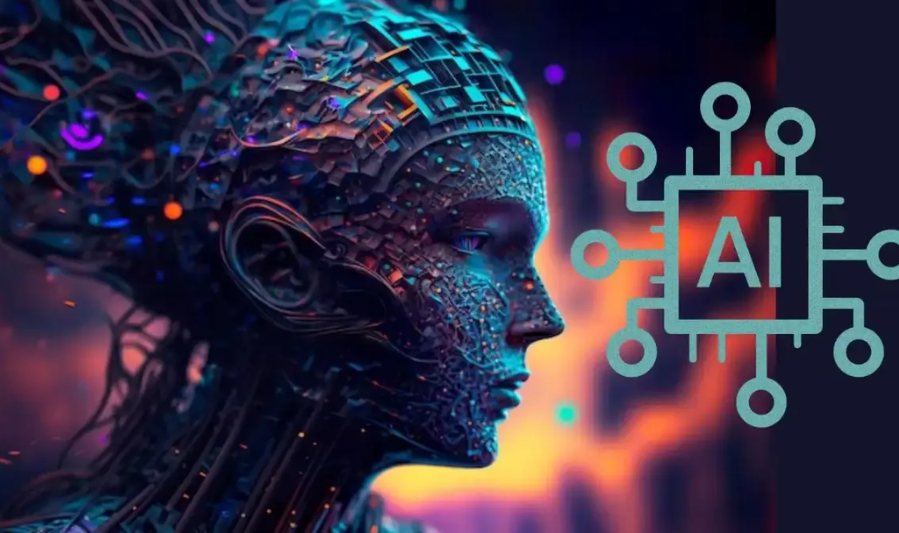
Large Language Models (LLMs)
Large Language Models are driving advanced natural language understanding and generation. In 2026, these models are capable of more accurate, context-aware interactions, enabling applications across business, education, and creative sectors.
Key capabilities include:
- Conversational AI for customer service and virtual assistants
- Summarization, translation, and content generation
- Contextual understanding for complex queries and problem-solving
Generative AI
Generative AI is transforming content creation, producing text, images, video, and music with minimal human input.
Applications include:
- Automated marketing content and creative campaigns
- AI-assisted art, music, and video production
- Personalized content tailored to user preferences
Multimodal AI
Multimodal AI integrates text, image, audio, and video processing, enabling systems to understand and generate information across multiple forms of media.
Benefits include:
- Enhanced AI assistants that interpret diverse inputs
- Richer interactive experiences in education, gaming, and AR/VR
- Cross-modal content creation and analysis
AI Reasoning and Planning
Advanced AI systems are demonstrating improved reasoning, predictive analytics, and decision-making, supporting more sophisticated problem-solving.
Key applications include:
- Optimizing business operations and supply chains
- Predictive healthcare diagnostics and treatment planning
- Strategic decision-making in finance and logistics
Quantum AI Experiments
Quantum AI is in early-stage experimentation, promising breakthroughs in computational efficiency and speed.
Potential impacts include:
- Solving previously intractable problems
- Accelerating machine learning and optimization tasks
- Driving innovation in scientific research, finance, and materials development
AI in Consumer Technology
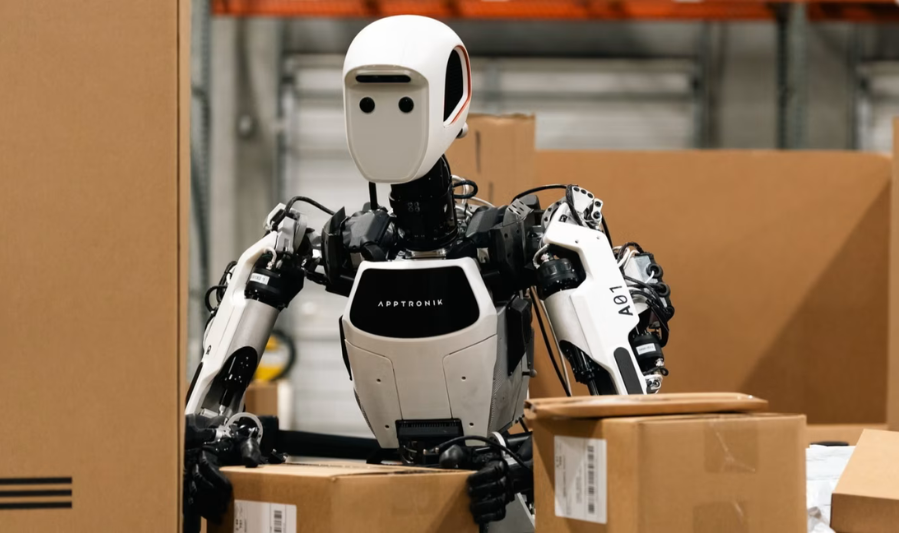
Smart Home Devices with Predictive and Adaptive Features
AI-powered smart home devices are becoming more predictive and adaptive, learning user habits to automate and enhance daily life.
Key features include:
- Intelligent climate, lighting, and security management
- Predictive energy usage for cost and efficiency
- Personalized home environments tailored to routines and preferences
Wearables for Health, Fitness, and Lifestyle Optimization
Wearable devices are leveraging AI to monitor health and optimize lifestyle choices.
Applications include:
- Tracking heart rate, sleep, and activity levels
- Personalized fitness and nutrition recommendations
- Predictive insights for early detection of health issues
AI-Powered Smartphones, AR/VR Devices, and Gaming Enhancements
Consumer electronics increasingly integrate AI to enhance performance and user experience.
Examples include:
- AI-driven photography and video editing on smartphones
- Adaptive AR/VR experiences for education, gaming, and immersive media
- Intelligent gaming enhancements that learn and respond to player behavior
Personalized Assistants and AI-Driven User Experience
Virtual assistants are evolving to provide more proactive, personalized interactions, improving convenience and efficiency.
Capabilities include:
- Context-aware task management and reminders
- Seamless integration across multiple devices
- Predictive recommendations for daily routines, work, and entertainment
Integration of AI in Social Media, Entertainment, and IoT Systems
AI is transforming digital engagement by curating personalized content and experiences.
Applications include:
- Social media feeds tailored to user preferences
- AI-driven recommendations in streaming and entertainment platforms
- Intelligent IoT ecosystems that respond dynamically to user behavior
Enterprise and Business AI Trends
AI-Driven Workflow Automation and Operations Optimization
AI is increasingly automating routine and complex business workflows, boosting efficiency and reducing human error.
Applications include:
- Streamlining supply chain and logistics processes
- Automating repetitive administrative and operational tasks
- Enhancing manufacturing and production efficiency
Multi-Agent AI Systems for Complex Business Decisions
Multi-agent AI systems allow multiple AI models to collaborate for handling intricate business decisions and operations.
Benefits include:
- Coordinated decision-making across departments
- Simulation and optimization of multi-step processes
- Real-time operational insights and scenario planning
Predictive Analytics for Marketing, Finance, and Logistics
Predictive analytics powered by AI enables data-driven decision-making and improved strategic planning.
Key applications include:
- Forecasting customer behavior and market trends
- Optimizing financial strategies and investment decisions
- Enhancing logistics and supply chain efficiency
AI in Cybersecurity, Risk Management, and Compliance
AI strengthens cybersecurity and risk management, detecting threats and ensuring regulatory compliance.
Features include:
- Real-time threat detection and anomaly monitoring
- Fraud prevention and transaction analysis
- Automated compliance reporting and risk assessment
AI-Enabled Customer Service and Chatbots
AI-driven customer service enhances responsiveness and personalization, improving user experience.
Capabilities include:
- 24/7 chatbots for handling routine inquiries
- Context-aware responses that learn from user interactions
- Seamless escalation to human agents for complex issues
AI Hardware and Infrastructure
Next-Generation AI Chips, GPUs, and Processors
2026 brings advanced AI-specific hardware designed to handle complex machine learning workloads with higher efficiency and speed.
Key highlights:
- High-performance GPUs and AI processors for large-scale computations
- Enhanced parallel processing for faster model training
- Optimized performance for both consumer and enterprise applications
Edge AI vs Cloud AI Developments
AI computing is increasingly distributed between edge devices and cloud platforms, balancing speed, scalability, and privacy.
Key points:
- Edge AI: Real-time processing on devices, reduced latency, and enhanced privacy
- Cloud AI: Centralized power for heavy computation and collaborative tasks
- Hybrid models that integrate both edge and cloud capabilities
Energy-Efficient AI Computing and Sustainable Infrastructure
Sustainability is a major focus for AI infrastructure, with energy-efficient designs reducing environmental impact while maintaining high performance.
Innovations include:
- Low-power processors and optimized cooling solutions
- Renewable energy integration in data centers
- Smart resource allocation for sustainable AI operations
Specialized AI Accelerators for Industry-Specific Applications
Specialized AI accelerators are emerging to meet industry-specific computational demands, from healthcare to finance.
Benefits include:
- Tailored processing for domain-specific AI workloads
- Faster inference and decision-making capabilities
- Enabling scalable AI solutions in specialized sectors
AI in Healthcare and Life Sciences
AI-Assisted Diagnostics, Predictive Health Tools, and Telemedicine
AI is transforming healthcare by enabling faster, more accurate diagnostics and supporting telemedicine for remote patient care.
Applications include:
- Automated analysis of medical imaging such as X-rays, MRIs, and CT scans
- Predictive models for disease progression and risk assessment
- AI-powered telehealth platforms for remote consultations and monitoring
Drug Discovery and Precision Medicine
AI accelerates drug development and enables personalized treatment plans, improving patient outcomes and reducing costs.
Key uses include:
- Identifying promising drug candidates faster than traditional methods
- Developing targeted therapies based on individual genetic profiles
- Optimizing clinical trial design and treatment strategies
Genomics, Bioinformatics, and AI in Research
AI is advancing genomics and bioinformatics, allowing researchers to extract insights from complex biological datasets.
Highlights include:
- Genome sequencing analysis for disease prediction
- Accelerating research in precision medicine and therapeutics
- Bioinformatics tools for large-scale biological and clinical data
Ethical Considerations for Medical AI Deployment
Responsible AI deployment in healthcare requires ethical frameworks to ensure safety, fairness, and privacy.
Focus areas include:
- Protecting patient data and privacy
- Avoiding bias in diagnostic and treatment algorithms
- Ensuring transparency and accountability in AI-driven decisions
AI Governance, Ethics, and Regulation
Global AI Policies and Compliance Standards
As AI adoption grows, governments and international bodies are establishing policies and compliance frameworks to ensure safe and responsible use.
Key points include:
- National and regional AI regulations for different sectors
- Industry-specific compliance standards in healthcare, finance, and security
- Legal obligations for transparency, privacy, and accountability
Ethical Frameworks for Transparency, Explainability, and Fairness
Responsible AI deployment relies on ethical frameworks that promote fairness, transparency, and explainability.
Focus areas include:
- Ensuring AI decisions are interpretable by humans
- Minimizing bias and discriminatory outcomes in AI systems
- Accountability mechanisms for AI-driven processes
Balancing Innovation with Responsible AI Deployment
Organizations must encourage AI innovation while managing ethical, societal, and legal risks.
Strategies include:
- Implementing governance frameworks for responsible experimentation
- Encouraging collaboration between developers, regulators, and stakeholders
- Aligning AI initiatives with societal values and long-term benefits
You may also like to read these posts:
Trend Forecast: Fashion Trends 2026 You Need to Know
Top Latest Fashion Style Trends to Update Your Wardrobe
Luxury Living Lifestyle Secrets for a Premium Way of Life
How AI Is Shaping the Future in 2026: Key Headlines You Should Know
AI Risk Management and Public Trust Initiatives
Maintaining public trust is critical as AI becomes pervasive. Risk management strategies are essential to mitigate unintended consequences.
Initiatives include:
- Proactive identification and mitigation of AI risks
- Transparent communication about AI capabilities and limitations
- Collaborative efforts to build confidence in AI technologies
AI and the Future of Work
Jobs Transformed or Created by AI Adoption
AI is reshaping the workforce, transforming existing roles and creating new opportunities across industries.
Key trends include:
- Automation of repetitive or routine tasks, allowing employees to focus on higher-value work
- Emergence of AI-specialized roles such as AI trainers, ethicists, and data engineers
- Expansion of remote and hybrid work powered by AI tools
Upskilling and Reskilling Programs for AI Skills
To thrive in an AI-driven workplace, employees need continuous learning and skill development.
Strategies include:
- Company-led upskilling programs in AI, machine learning, and data analysis
- Online courses and certifications for emerging AI technologies
- Focus on both technical and soft skills for human-AI collaboration
Human-AI Collaboration in Creative, Technical, and Analytical Roles
AI is augmenting human capabilities rather than replacing them, especially in creative, technical, and analytical roles.
Examples include:
- AI-assisted content creation and design
- Predictive analytics supporting data-driven decision-making
- Collaborative tools that enhance problem-solving and innovation
Productivity Tools and AI-Enhanced Workplace Solutions
AI is powering smart productivity tools that streamline workflows, improve efficiency, and optimize team performance.
Applications include:
- Intelligent scheduling and task management systems
- Automated reporting and data visualization tools
- Real-time collaboration platforms with AI-enhanced features
Faqs:
What are the top AI technology trends in 2026?
Key trends include generative AI, multimodal systems, edge AI, quantum AI experiments, and AI-driven automation across industries.
How is AI transforming consumer technology?
AI is enhancing smart devices, wearables, AR/VR experiences, personalized assistants, and IoT systems for smarter, adaptive user experiences.
Which industries are most impacted by AI in 2026?
Healthcare, finance, education, logistics, energy, and entertainment are leading sectors leveraging AI for efficiency, personalization, and innovation.
What are the main risks of emerging AI technologies?
Risks include AI bias, misinformation, cybersecurity threats, over-reliance on automated systems, and ethical deployment concerns.
How can businesses and individuals prepare for AI trends?
By developing AI skills, staying updated on emerging technologies, adopting responsible AI practices, and aligning AI solutions with ethical and regulatory standards.
Conclusion
AI technology trends in 2026 reflect a year of rapid innovation and widespread impact across industries, businesses, and daily life. From generative AI and multimodal systems to AI-driven automation and edge computing, these advancements are reshaping how we work, communicate, and interact with technology. While challenges like ethics, security, and workforce adaptation remain, staying informed and adopting AI responsibly allows individuals and organizations to fully leverage its potential. 2026 is not just about new technologies—it’s about meaningful, practical transformation shaping the future.