
Introduction
Overview of How Digital Innovation is Transforming Industries and Daily Life
Technology Driving Change
- Rapid advancements in digital technologies are reshaping business operations, consumer experiences, and lifestyle habits
- Innovations like AI, XR, 5G, and autonomous systems are creating new opportunities and efficiencies
Importance of Staying Ahead of Emerging Technologies
Preparing for the Future
- Staying informed helps businesses, professionals, and enthusiasts adapt quickly
- Enables better strategic planning, investment decisions, and skill development
- Prevents lagging behind in competitive and rapidly evolving markets
Purpose: Highlighting Key Digital Innovation Future Trends and Forecasts
Insights for 2026 and Beyond
- This article explores the most impactful digital innovation trends of 2026
- Focuses on technologies that will transform industries, enhance daily life, and drive economic growth
Artificial Intelligence (AI) and Machine Learning

AI-Driven Automation and Decision-Making
Smarter Systems for Work and Daily Life
- AI automates repetitive tasks, streamlines business operations, and enhances productivity
- Enables data-driven decision-making across industries
Predictive Analytics and Personalization
Tailoring Experiences with Data
- AI and machine learning analyze large datasets to forecast trends, behavior, and outcomes
- Drives personalized recommendations in retail, finance, healthcare, and education
Ethical AI Frameworks and Responsible Innovation
Ensuring Trust and Transparency
- Adoption of ethical guidelines ensures AI is fair, accountable, and transparent
- Addresses bias, privacy, and regulatory compliance in sensitive applications
Applications Across Industries
Transformative Impact
- Healthcare: AI-assisted diagnostics, predictive monitoring, and personalized treatment plans
- Finance: Fraud detection, risk assessment, and algorithmic trading
- Retail: Customer behavior analytics, recommendation engines, and inventory management
- Education: Personalized learning, AI tutors, and adaptive content delivery
Blockchain and Decentralized Systems
Introduction to Blockchain Technology
Understanding the Foundation
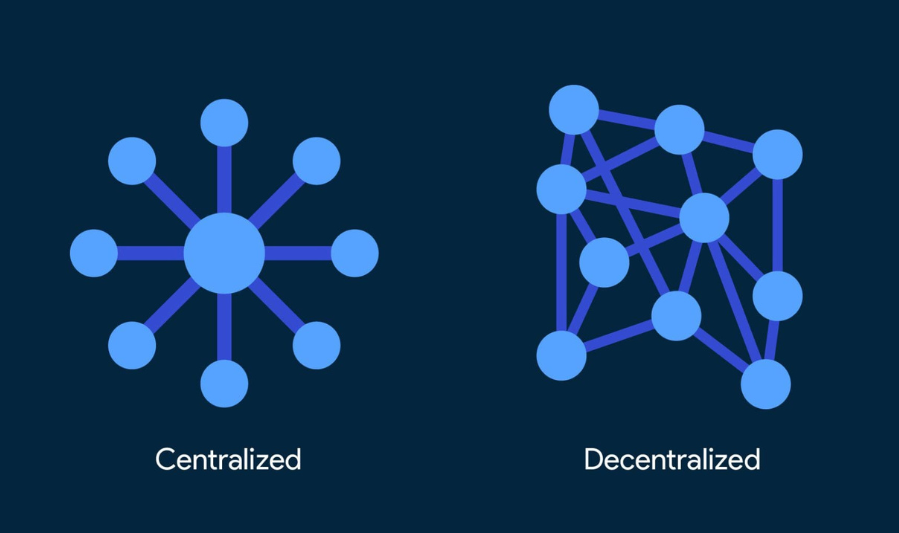
- Blockchain is a distributed ledger system that records transactions securely and transparently
- Eliminates the need for centralized intermediaries, enabling peer-to-peer trust and verification
Applications in Finance, Supply Chain, and Digital Identity
Real-World Use Cases
- Finance: Cryptocurrencies, cross-border payments, and fraud prevention
- Supply Chain: Tracking goods, verifying authenticity, and improving logistics efficiency
- Digital Identity: Secure identity verification and privacy-focused solutions
Decentralized Systems: NFTs, Smart Contracts, and DeFi
Expanding the Blockchain Ecosystem
- NFTs (Non-Fungible Tokens): Digital ownership for art, collectibles, and intellectual property
- Smart Contracts: Automated, self-executing agreements without intermediaries
- Decentralized Finance (DeFi): Peer-to-peer financial services like lending, borrowing, and trading
Benefits: Transparency, Security, and Trust
Why Blockchain Matters
- Provides tamper-proof records for transactions and data
- Enhances security against fraud and cyberattacks
- Builds trust among participants in digital ecosystems without relying on central authorities
Extended Reality (XR) – AR, VR, and MR
Differences Between AR, VR, and MR
Understanding the XR Spectrum
- Virtual Reality (VR): Fully immersive digital environments accessed via headsets
- Augmented Reality (AR): Overlays digital content on the real world using devices like smartphones or smart glasses
- Mixed Reality (MR): Combines real and virtual elements, allowing interaction with both simultaneously
XR Applications in Training, Remote Work, Healthcare, and Entertainment
Transforming Experiences Across Industries
- Training & Education: Simulations, virtual labs, and skill-building exercises
- Remote Work: Virtual meetings, collaborative 3D workspaces, and interactive dashboards
- Healthcare: Surgical simulations, patient education, and rehabilitation therapy
- Entertainment: Immersive gaming, live events, and interactive media
Immersive Experiences for Customer Engagement and Education
Engaging Users in New Ways
- Retail and marketing use XR for virtual try-ons, product demos, and interactive campaigns
- Educational institutions leverage XR for hands-on learning and immersive lessons
- Businesses enhance customer engagement, retention, and satisfaction
Adoption Trends and Future Growth Projections
XR Expansion in 2026 and Beyond
- Falling hardware costs increase accessibility to consumers and enterprises
- Integration with AI, cloud, and 5G enables real-time, seamless experiences
- Widespread adoption expected in healthcare, education, enterprise, and consumer entertainment
5G and Next-Generation Connectivity
Global 5G Adoption and Coverage
Expanding High-Speed Networks
- 5G networks are rapidly expanding worldwide, offering ultra-fast speeds and low latency
- Supports millions of connected devices for both consumers and businesses
- Enables new applications in mobile, IoT, and enterprise solutions
Enabling IoT Devices, Real-Time Analytics, and Smart Infrastructure
Powering Connected Systems
- 5G allows IoT devices to communicate in real time, supporting automation and smart applications
- Facilitates predictive maintenance, real-time monitoring, and data-driven decision-making
- Critical for industrial IoT, healthcare devices, and smart homes
Impact on Remote Work, Autonomous Systems, and Smart Cities
Driving Innovation and Efficiency
- Enhances remote collaboration, virtual meetings, and cloud-based productivity tools
- Supports autonomous vehicles, drones, and AI-driven logistics
- Enables smart city infrastructure, including traffic optimization, energy management, and public services
Future Connectivity Prospects: 6G and Beyond
Preparing for Ultra-Fast Networks
- 6G is expected to deliver terabit speeds, near-zero latency, and global coverage
- Will enable holographic communication, fully immersive AR/VR experiences, and advanced autonomous systems
- Promises to redefine digital interaction, industrial automation, and urban connectivity
Digital Automation and Robotics
AI-Powered Automation in Industries
Transforming Operational Efficiency
- Industries are adopting AI-driven automation for repetitive tasks, quality control, and predictive maintenance
- Reduces manual errors, accelerates production, and lowers operational costs
- Key sectors: manufacturing, logistics, healthcare, and finance
Collaborative Robots (Cobots) Working Alongside Humans
Enhancing Workforce Productivity
- Cobots assist humans in assembly, packaging, and precision tasks
- Designed for safety, adaptability, and seamless human-robot interaction
- Improves productivity without replacing human workers
You may also like to read these posts:
Trend Forecast: Fashion Trends 2026 You Need to Know
Top Latest Fashion Style Trends to Update Your Wardrobe
Luxury Living Lifestyle Secrets for a Premium Way of Life
How AI Is Shaping the Future in 2026: Key Headlines You Should Know
Benefits: Efficiency, Productivity, and Cost Reduction
Why Robotics Matters
- Streamlines complex workflows and increases output quality
- Optimizes resource utilization and reduces labor costs
- Supports 24/7 operations with minimal downtime
Emerging Trends in Human-Robot Collaboration
The Future of Industrial Robotics
- Integration of AI and machine learning for adaptive, context-aware robots
- Growth of autonomous mobile robots (AMRs) for logistics and warehouse automation
- Collaborative innovation focusing on safety, ergonomics, and skill enhancement
Faqs:
What is the future of digital innovation?
The future of digital innovation will be driven by AI, blockchain, XR, 5G connectivity, automation, and sustainable technologies transforming industries and daily life.
How will AI impact businesses in the future?
AI will enhance decision-making, automate repetitive tasks, improve customer experiences, and optimize operations across multiple industries.
What role will blockchain play in the future?
Blockchain will provide secure, transparent, and decentralized solutions for finance, supply chains, digital identity, and emerging applications like NFTs and DeFi.
How will XR technologies change work and education?
AR, VR, and MR will create immersive training, collaboration, and learning experiences, making digital interaction more engaging and effective.
Why is sustainability important in digital innovation?
Sustainable digital solutions help optimize resources, reduce environmental impact, meet regulatory requirements, and align with growing consumer demand for eco-friendly practices.
Conclusion
The future of digital innovation promises transformative technologies that will reshape industries, businesses, and daily life. From AI and blockchain to XR, 5G, automation, and sustainable solutions, these innovations will drive efficiency, connectivity, and growth. Staying informed, adaptable, and ready to embrace change is essential for individuals and organizations to thrive. By understanding and leveraging these digital innovations, we can prepare for a smarter, more connected, and sustainable future.