

Introduction
Overview of Rapid Technological Advancement
Technology Transforming Our World
The pace of innovation is accelerating across industries, reshaping how we work, communicate, and live. In 2026, emerging technologies will affect productivity, lifestyle, and global business landscapes.
Importance of Staying Updated with Upcoming Trends
Adaptation and Competitiveness
- Awareness of trends helps businesses innovate and remain competitive
- Individuals can upgrade skills and adopt tools efficiently
- Enables proactive decisions in investment, education, and career planning
Purpose: Highlighting Key Technology Trends in 2026
Insights for Businesses and Daily Life
This article explores top technology trends of 2026, including:
- AI and automation innovations
- Emerging consumer and enterprise technologies
- Sustainable and futuristic solutions shaping work, mobility, healthcare, and everyday life
Artificial Intelligence (AI) and Machine Learning
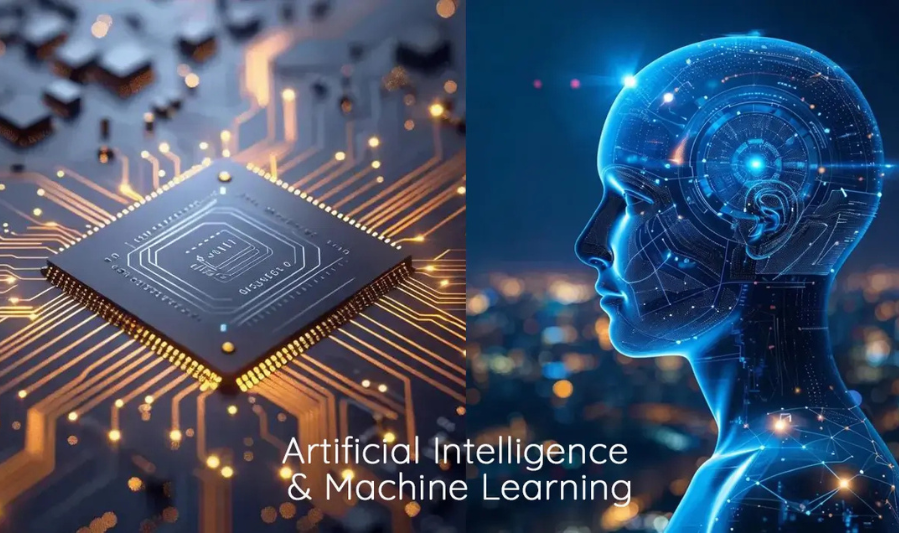
AI Integration in Workplaces and Daily Life
Enhancing Productivity and Convenience
- AI-powered tools assist with automating repetitive tasks, scheduling, and communication
- Personal assistants and smart home devices make daily routines more efficient
- Businesses leverage AI for customer service, inventory management, and workflow optimization
Predictive Analytics and Smarter Decision-Making
Data-Driven Insights
- Machine learning models analyze large datasets to predict trends and optimize strategies
- Used in finance, marketing, healthcare, and logistics
- Enables organizations to make informed decisions faster
AI Ethics, Governance, and Regulation
Ensuring Responsible AI Use
- Development of ethical frameworks for fairness, transparency, and accountability
- Compliance with global AI regulations to protect users and data
- Balancing innovation with societal and legal responsibilities
Real-World Applications
Transforming Industries
- Healthcare: AI-assisted diagnostics, predictive health monitoring, and personalized treatment
- Finance: Fraud detection, risk assessment, and algorithmic trading
- Education: Adaptive learning platforms and intelligent tutoring systems
Quantum Computing
Basics of Quantum Computing and How It Differs from Classical Computing
A New Paradigm in Computation
- Quantum computers use qubits, which can represent 0 and 1 simultaneously, unlike classical bits
- Enables massively parallel processing for complex calculations
- Promises breakthroughs in optimization, simulation, and problem-solving that classical computers cannot efficiently handle
Industries Benefiting from Quantum Computing
Transformative Applications Across Sectors
- Logistics: Optimized route planning and supply chain management
- Healthcare: Accelerated drug discovery and genetic research
- Finance: Risk modeling, fraud detection, and high-speed trading algorithms
Quantum Encryption and Cybersecurity Implications
Securing Data in the Quantum Era
- Quantum key distribution (QKD) allows unbreakable encryption
- Protects sensitive information from future quantum attacks
- Ensures data integrity, privacy, and secure communications
Challenges in Mainstream Adoption
Overcoming Technical and Practical Barriers
- High hardware and operational costs
- Need for specialized skills and quantum algorithms
- Issues with error correction and stability before widespread commercial use
Extended Reality (XR) – VR, AR, and MR
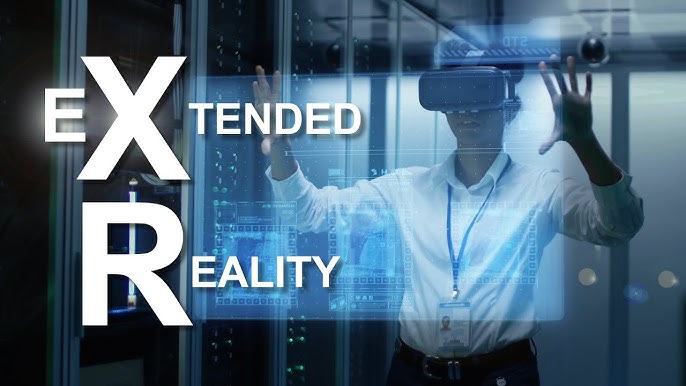
Definitions and Differences Between VR, AR, and MR
Understanding the XR Spectrum
- Virtual Reality (VR): Fully immersive digital environments experienced through headsets
- Augmented Reality (AR): Digital overlays on the real world via smartphones or smart glasses
- Mixed Reality (MR): Interaction between real and virtual objects simultaneously, blending VR and AR
Applications in Gaming, Education, Training, and Virtual Workspaces
Transforming Interaction and Learning
- Gaming: Immersive experiences with realistic environments and interactions
- Education: Virtual classrooms, interactive labs, and experiential learning modules
- Training: Simulations for healthcare, military, and industrial skills
- Virtual Workspaces: Remote collaboration, 3D meetings, and project visualization
XR’s Role in Immersive Shopping and Customer Experiences
Enhancing Engagement and Personalization
- Virtual try-ons for clothing, furniture, and accessories
- Interactive product demonstrations and showrooms
- Personalized experiences boosting customer engagement and conversion rates
Market Adoption and Accessibility by 2026
Widespread Growth and Affordability
- Reduction in hardware costs like VR headsets and AR glasses
- Integration with AI, 5G, and cloud computing for seamless experiences
- Forecasted rapid adoption in education, enterprise, entertainment, and retail sectors
5G and Next-Generation Connectivity
Global Expansion of 5G Networks
Faster, More Reliable Internet
- 5G networks are rapidly being deployed worldwide, offering high-speed, low-latency connectivity
- Supports millions of devices simultaneously, enabling smarter infrastructure and seamless communication
- Critical for innovation in IoT, autonomous systems, and mobile technologies
Impact on IoT Devices and Smart Infrastructure
Smarter, Connected Ecosystems
- IoT devices rely on 5G for real-time data exchange and responsiveness
- Smart homes, factories, and cities benefit from automated and synchronized systems
- Enhances energy efficiency, predictive maintenance, and convenience
Enabling Real-Time Data Exchange and Low-Latency Applications
Applications Requiring Instantaneous Communication
- Autonomous vehicles and drones require instant data processing for safety and efficiency
- AR/VR experiences are improved with low-latency, uninterrupted streaming
- Supports cloud gaming, remote surgery, and industrial automation
Future of Connected Smart Cities
Integrating Technology for Urban Efficiency
- Traffic management, public safety, and resource allocation become AI-powered and data-driven
- Residents experience smarter utilities, transportation, and urban services
- Lays the foundation for sustainable, efficient, and highly connected urban environments
Autonomous Vehicles and Smart Mobility
Self-Driving Cars, Drones, and AI-Enabled Logistics
Revolutionizing Transportation and Delivery
- Autonomous cars reduce human error and optimize traffic efficiency
- Delivery drones and AI-powered logistics improve speed and reliability of goods transportation
- Enhances productivity, safety, and convenience in urban and rural settings
You may also like to read these posts:
Trend Forecast: Fashion Trends 2026 You Need to Know
Top Latest Fashion Style Trends to Update Your Wardrobe
Luxury Living Lifestyle Secrets for a Premium Way of Life
How AI Is Shaping the Future in 2026: Key Headlines You Should Know
Electric and Hydrogen-Powered Vehicles
Sustainable Transportation Solutions
- EVs and hydrogen-powered vehicles reduce carbon emissions and dependency on fossil fuels
- Promotes environmentally friendly mobility and long-term sustainability
- Supported by government incentives and growing charging infrastructure
Smart Traffic Systems and Urban Mobility Improvements
Connected and Efficient Cities
- AI-driven traffic management reduces congestion and commute times
- Smart transportation networks integrate public transit, ride-sharing, and autonomous vehicles
- Improves urban mobility, energy efficiency, and safety
Regulatory and Safety Considerations
Ensuring Responsible Deployment
- Governments and organizations implement safety standards for autonomous operations
- Regulations address liability, cybersecurity, and passenger protection
- Balances innovation with public trust and legal compliance
Faqs:
Which technologies will dominate 2026?
Artificial Intelligence (AI), quantum computing, extended reality (XR), autonomous vehicles, robotics, and sustainable technology are expected to lead innovation.
How will 5G impact technology in 2026?
5G will enable faster connectivity, seamless IoT integration, smart cities, and real-time data applications across industries.
Will autonomous vehicles be mainstream by 2026?
Adoption will grow gradually, influenced by safety regulations, infrastructure, and technological advancements.
How will biotechnology shape healthcare by 2026?
AI-driven diagnostics, personalized medicine, wearable devices, and regenerative medicine will transform patient care and disease prevention.
Why is sustainable technology important for 2026?
Sustainable innovations reduce environmental impact, optimize energy usage, comply with regulations, and meet the demands of eco-conscious consumers.
Conclusion
The year 2026 is set to bring transformative technological advancements that will reshape industries, businesses, and daily life. From AI and quantum computing to XR, autonomous vehicles, robotics, and sustainable technology, these innovations will create both opportunities and challenges. Staying informed, adaptable, and ready to embrace change will be crucial for individuals and organizations to thrive. By understanding and leveraging these technology trends 2026, we can prepare for a smarter, more connected, and innovative future.