
Introduction
Importance of Wearable Technology in 2026
Beyond Simple Fitness Trackers
Wearable devices in 2026 are more than just fitness trackers. They provide real-time health monitoring, productivity insights, and smart lifestyle management. From smartwatches and rings to AR glasses and health bands, wearables have become essential companions for daily life.
How Wearable Devices Are Transforming Health, Fitness, and Lifestyle
Personalized, Real-Time Insights
Modern wearables track heart rate, sleep patterns, blood oxygen, and stress levels, offering actionable insights to improve health and wellness. They also enhance productivity and connectivity through notifications, AI assistants, and integration with smartphones and smart home ecosystems.
Why Reading Reviews Helps in Choosing the Right Wearable
Making Informed Decisions in a Crowded Market
With so many options available, choosing the best wearable can be overwhelming. Detailed reviews provide insights into performance, battery life, design, features, and real-world usability, helping users select a device that matches their needs, lifestyle, and budget.
Key Features to Evaluate in Wearable Devices
Sensors & Accuracy
Heart Rate, Steps, Sleep, and Oxygen Levels
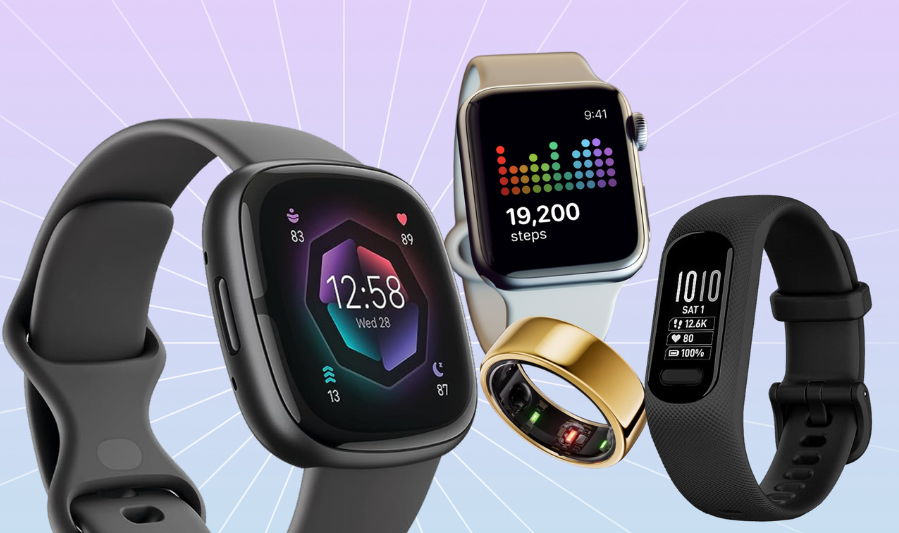
The core of any wearable is its sensors and accuracy. Evaluate:
- Heart rate monitors for continuous cardiovascular tracking
- Step counters and activity trackers for daily fitness goals
- Sleep tracking for quality and patterns
- Blood oxygen (SpO₂) and other health metrics for holistic monitoring
Accurate sensors ensure reliable insights and better health management.
Battery Life & Charging
Longevity, Fast Charging, and Wireless Options
Battery life impacts daily usability:
- Devices should last multiple days under normal use
- Fast charging reduces downtime
- Wireless or magnetic charging adds convenience for users on the go
Design & Comfort
Weight, Material, Adjustability, and Aesthetics
Wearables are worn all day, so comfort and design matter:
- Lightweight and ergonomic designs improve wearability
- Materials affect durability and skin comfort
- Adjustable straps and appealing aesthetics enhance user satisfaction
Connectivity
Bluetooth, Wi-Fi, 5G, and App Integration
Connectivity ensures the wearable integrates seamlessly with your ecosystem:
- Bluetooth and Wi-Fi for syncing with smartphones
- 5G-enabled wearables for standalone connectivity
- App compatibility for notifications, updates, and health data analysis
Software & Apps
Health Tracking, AI Insights, Notifications, and Customization
The software experience defines usability:
- Health and fitness apps for goal tracking
- AI insights for personalized recommendations
- Notification management and customization options for a smarter experience
Durability & Water Resistance
IP Ratings, Scratch Resistance, and Ruggedness
Wearables must withstand daily wear and environmental conditions:
- IP ratings for water and dust resistance
- Scratch-resistant screens and durable materials
- Rugged models for outdoor or high-intensity activities
Types of Wearable Tech in 2026
Smartwatches
Comprehensive Health and Lifestyle Monitoring
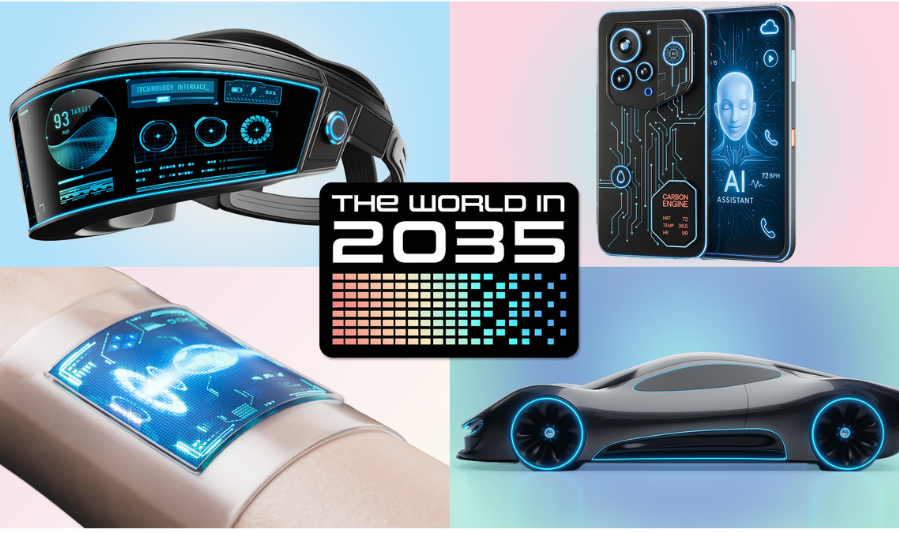
Smartwatches are the most versatile wearable devices. They track fitness, monitor health metrics, provide notifications, and integrate with smartphones and smart home systems. Advanced models include AI-powered insights and ECG or blood oxygen monitoring.
Fitness Trackers
Lightweight, Affordable, and Exercise-Focused
Fitness trackers focus on activity tracking and exercise metrics. They are lightweight, portable, and budget-friendly, making them ideal for users who want basic health tracking, step counting, and workout monitoring without additional features.
Health Monitors
ECG, Blood Pressure, Sleep, and Glucose Monitoring
Dedicated health wearables provide medical-grade or advanced health monitoring:
- ECG and heart rate monitoring
- Blood pressure tracking
- Continuous glucose monitoring for diabetics
- Sleep analysis and stress tracking
These devices help users manage health conditions and optimize wellness.
AR/VR Wearables
Smart Glasses and Headsets for Immersive Experiences
AR/VR wearables deliver immersive experiences for gaming, work, and education:
- Augmented reality glasses overlay information in real-time
- VR headsets provide immersive visual and audio experiences
- Integration with apps and AI enhances productivity and entertainment
Specialized Wearables
Smart Rings, Clothing-Integrated Sensors, and Posture Trackers
Specialized wearables cater to niche needs and lifestyle enhancements:
- Smart rings for discreet notifications and activity tracking
- Wearable sensors integrated into clothing for fitness or posture correction
- Posture trackers for ergonomic support and health improvement
These devices expand wearable tech beyond the wrist, offering innovative ways to monitor and improve daily life.
In-Depth Reviews of Popular Devices
Key Specifications and Features
What to Look For in Each Device
Start by highlighting each wearable’s core specifications:
- Sensor types (heart rate, ECG, SpO₂, sleep tracking)
- Connectivity options (Bluetooth, Wi-Fi, 5G)
- Display type, resolution, and durability
- Special features like AI insights, notifications, or AR/VR capabilities
This gives readers a clear understanding of what each device offers.
Real-World Performance and Accuracy
Testing How Wearables Function in Daily Life
Evaluate how devices perform in real scenarios:
- Accuracy of health and fitness metrics
- Responsiveness of apps and notifications
- AI-driven insights and analytics
- Integration with smartphones or other devices
This ensures users know how reliable and effective the wearable is in practice.
Battery Life and Charging Experience
Longevity and Convenience
Battery performance is critical for daily usability:
- Real-world endurance under typical usage
- Charging speed and convenience (wired, wireless, magnetic)
- Energy efficiency for prolonged use
A wearable should last long enough to track health metrics without frequent charging.
Comfort, Design, and Usability
Wearability and User Experience
Since wearables are worn all day, consider:
- Weight, ergonomics, and adjustability
- Material quality and skin comfort
- Ease of use and intuitive interfaces
Comfort and design heavily influence long-term adoption and satisfaction.
Pros, Cons, and Unique Advantages
Balanced Evaluation
Highlight the strengths and weaknesses of each device:
- Strengths: sensor accuracy, battery, smart features, or design
- Weaknesses: missing features, cost, or software limitations
- Unique advantages: standout features that differentiate the device
This helps readers understand the trade-offs before purchasing.
Price vs Value Assessment
Determining Whether the Device Is Worth It
Finally, evaluate how the device compares to its price:
- Does it deliver features worth the cost?
- Is it better suited for budget-conscious or premium users?
- How does it compare to competitors in the same category?
This ensures readers make informed buying decisions based on real-world value.
Best Wearable Devices by Use Case
Best for Fitness Enthusiasts and Workouts
Optimized for Activity Tracking and Performance
These wearables focus on exercise and physical performance:
- Accurate step counting, heart rate, and calorie tracking
- GPS tracking for running, cycling, and outdoor workouts
- Durable and sweat-resistant designs for active use
- Integration with fitness apps and personalized training plans
Ideal for users who want to monitor progress and improve performance.
Best for Health Monitoring and Medical Tracking
Advanced Sensors and Health Insights
Health-focused wearables provide medical-grade monitoring:
- ECG, blood pressure, and SpO₂ sensors
- Sleep tracking, stress monitoring, and recovery insights
- Continuous glucose monitoring for diabetics (where applicable)
- AI-driven alerts and health recommendations
Perfect for users managing specific health conditions or wellness goals.
You may also like to read these posts:
Trend Forecast: Fashion Trends 2026 You Need to Know
Top Latest Fashion Style Trends to Update Your Wardrobe
Luxury Living Lifestyle Secrets for a Premium Way of Life
How AI Is Shaping the Future in 2026: Key Headlines You Should Know
Best for Lifestyle and Productivity
Smart Features Beyond Fitness
Lifestyle wearables enhance daily convenience and productivity:
- Notifications, calendar alerts, and reminders
- Voice assistants and app integration
- Contactless payments and smart home control
- Stylish designs suitable for work and social settings
Great for users who want a wearable that complements both work and personal life.
Best Budget-Friendly Wearables
Affordable Yet Functional
Budget-friendly options provide essential features without high costs:
- Basic activity and sleep tracking
- Simple notifications and app integration
- Compact and comfortable designs
- Long battery life for daily use
Ideal for students, casual users, or first-time wearable buyers.
Best Premium Devices for Tech Enthusiasts
Cutting-Edge Technology and Advanced Features
Premium wearables offer the latest innovations and top-tier performance:
- AI-powered health insights and advanced sensors
- AR/VR integration and high-quality displays
- Seamless connectivity and ecosystem integration
- Luxury designs and customizable options
Perfect for tech-savvy users who want the best features and performance.
Faqs:
What are the best wearable tech devices in 2026?
The best wearable tech devices include smartwatches, fitness trackers, health monitors, AR/VR glasses, and smart rings with advanced features.
How do I choose the right wearable device?
Consider your primary goal—fitness, health monitoring, lifestyle, or productivity—and evaluate features, comfort, battery life, and price.
Are wearable devices accurate for health monitoring?
Most modern wearables provide reliable health metrics, but critical health data should be cross-checked with medical-grade devices when necessary.
How often do wearable devices need charging?
Battery life varies: fitness trackers and smart rings can last several days, while smartwatches and AR/VR devices often require daily charging.
Where can I find trustworthy wearable tech reviews?
Trusted sources include tech blogs, expert reviewers, verified user feedback, and official brand websites.
Conclusion
The wearable tech reviews 2026 highlight an exciting year of innovation, from smartwatches and fitness trackers to AR/VR devices and health monitoring wearables. By understanding features, performance, comfort, and battery life, users can select devices that best fit their lifestyle and goals. Staying informed through detailed reviews and comparisons ensures you invest in wearable technology that enhances health, fitness, productivity, and everyday convenience.